
Table of Contents
- Cost of Building a New Home: Key Factors
- Cost to Build a House Per Square Foot
- Land Acquisition Costs and Site Preparation
- Permits, Impact Fees, and Hidden Construction Costs
- New Construction Home Buying Guide 2026
- New Construction Financing Options
- Construction Timeline and Regional Cost Variations
- Conclusion
- Frequently Asked Questions
Last Updated: September 26, 2026
Cost of Building a New Home: Key Factors
Building a new home in Charleston involves far more than just construction labor and materials. The total cost of building a new home depends on dozens of interconnected variables, from lot selection and site preparation to permitting, financing, and regional market conditions. Understanding these factors upfront helps you avoid surprises and make informed decisions about your investment.
The Mills Team has guided clients through new construction purchases across the Charleston Tri-County area, and one pattern emerges consistently: buyers who understand the full cost breakdown make better decisions and close faster. This guide breaks down every major cost component so you can build realistic budgets and compare options effectively.
Most first-time builders focus only on the per-square-foot construction cost and miss 20-30% of their total expenses. Site prep, permits, and financing costs often surprise buyers late in the process. Map everything out before you commit to a lot.
Cost to Build a House Per Square Foot
The cost to build a house per square foot is the most commonly cited metric, but it’s also the most misleading if used in isolation. Construction costs vary significantly based on the home’s complexity, finishes, and the builder’s overhead structure.
In the Charleston area, new construction typically ranges from basic starter homes to high-end custom builds. A modest 1,800-square-foot home built by a production builder differs dramatically from a 2,000-square-foot custom home designed by an architect. The per-square-foot metric doesn’t capture quality differences, site challenges, or builder reputation.
Hard costs (labor, materials, equipment) represent roughly 70-80% of total construction expenses. Soft costs, architectural fees, permits, inspections, and contingencies, make up the remainder. Many buyers underestimate soft costs because they’re spread across multiple vendors and don’t appear as a single line item.
Regional factors matter enormously. Coastal construction requires hurricane-rated materials, elevated foundations, and specialized installation techniques that increase per-square-foot costs compared to inland builds. Labor availability and material supply chains also influence pricing. Charleston’s competitive building market means experienced builders can often deliver better value than newer firms, though reputation typically commands a premium.
Per-square-foot pricing is useful for initial comparisons, but always request a detailed cost breakdown from your builder. Compare homes of similar size, finish level, and site conditions to get meaningful numbers.
Land Acquisition Costs and Site Preparation
Land acquisition is often the largest single cost after construction itself, and site preparation can add 10-15% to your total project budget. Many buyers focus on the land price and overlook preparation expenses until they’re committed.
Lot Selection Criteria
Choosing the right lot determines your entire project’s feasibility and cost. A seemingly attractive lot at a lower price can become expensive once you factor in site challenges.
Lot size, shape, and orientation affect construction costs directly. A rectangular lot with good sun exposure and minimal slope is cheaper to build on than an irregular lot requiring extensive grading or foundation adjustments. Slope matters because steep sites require more excavation and more complex foundation work.
Utilities access is critical. Lots served by existing municipal water, sewer, and electric lines cost far less to develop than lots requiring new utility extensions. If you’re considering a lot without these services, request utility quotes before purchase, they can easily be substantial in a rural area.
Zoning and lot restrictions determine what you can build. Some lots have restrictive covenants limiting home size, setbacks, or architectural style. Verify zoning compliance and review all deed restrictions before committing. The Mills Team can help you navigate these requirements and ensure your design plans align with local regulations.
Flood Zone and Elevation Requirements
Flood zone classification is one of the most consequential factors in Charleston-area construction costs, yet many buyers discover it only after purchase. The Federal Emergency Management Agency (FEMA) designates flood zones that determine insurance requirements, construction standards, and sometimes even financing eligibility.
Homes in high-risk flood zones (designated as FEMA A or V zones) require elevated foundations, flood-resistant materials, and specialized construction techniques. These requirements add significant cost compared to homes in low-risk zones. Elevation above the base flood elevation is mandatory, the higher you build, the more excavation and foundation work you’ll need.
Flood insurance is required by lenders for homes in high-risk zones. This ongoing cost affects your monthly payment and total cost of ownership. A home in a flood zone might have lower land costs but higher lifetime expenses due to insurance premiums and construction requirements.
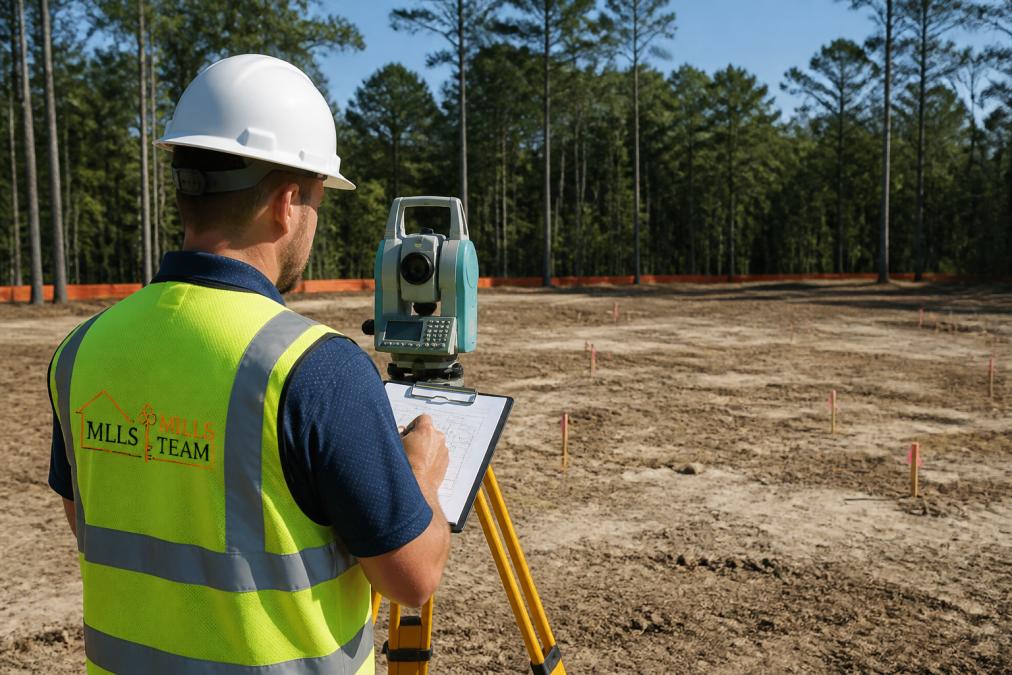
Many Charleston lots sit in moderate-risk zones where elevation requirements are less stringent but still present. Understanding your specific flood zone classification before purchase prevents costly surprises. The FEMA Flood Map Service lets you check any property’s flood zone designation. Pair this with a local survey to understand exact elevation requirements for your site.
Permits, Impact Fees, and Hidden Construction Costs
Permitting costs and impact fees are often overlooked in initial budgets, yet they represent real money that must be budgeted and paid before construction can begin or be completed.
Building permits are required by Charleston County and individual municipalities. Permit fees typically scale with project size and complexity. A standard residential permit might range from a few hundred dollars for a simple project to several thousand for a complex build, with pricing depending on the project’s scope and complexity. Permit applications require detailed plans, site surveys, and often multiple revisions before approval.
Impact fees fund municipal infrastructure improvements necessitated by new development. These fees vary by jurisdiction and project type. Some municipalities charge impact fees for schools, roads, water systems, and stormwater management. Impact fees are non-refundable and must be paid before a certificate of occupancy is issued.
Inspection fees are separate from permits. Building inspections occur at multiple stages, foundation, framing, electrical, plumbing, final, and each carries an inspection fee. These costs are typically modest individually but add up across the project timeline.
Utility connection fees cover the cost of connecting your home to municipal water, sewer, gas, and electric systems. If your lot isn’t already served by these utilities, extension costs can be substantial. Request utility quotes early in your planning process.
Contingency reserves are critical. Experienced builders typically reserve 10-15% of hard costs for unforeseen conditions discovered during construction, soil issues, hidden utilities, unexpected site challenges. Underfunding contingencies is a common mistake that leads to project delays and cost overruns.
Hidden costs during construction, discovered soil conditions, utility relocations, design changes, are common in Charleston due to the area’s complex geology and high water table. Budget a contingency reserve and discuss it explicitly with your builder before signing contracts.
New Construction Home Buying Guide 2026
Buying new construction requires a different approach than purchasing an existing home. You’re not inspecting a finished product; you’re evaluating plans, builder reputation, and construction quality based on limited information.
Builder selection is your most important decision. Established builders with strong track records and local references deliver more predictable results than newer firms. Ask for references from recent buyers and visit completed homes. The Mills Team has worked with Charleston-area builders and can connect you with reputable contractors who deliver quality on schedule.
Review the purchase agreement carefully. New construction contracts differ from resale agreements in important ways. They typically include allowances for upgrades, timelines for construction completion, and clauses addressing price adjustments for material cost changes. Understand what’s included in the base price and what costs extra before signing.
Upgrade pricing can quickly inflate your budget. Builders present upgrade options during the sales process, flooring, cabinetry, appliances, fixtures, that seem reasonable individually but compound into significant additional costs. Create a detailed upgrade plan and budget before construction begins.
Site inspections during construction are valuable. Most builders allow periodic inspections at major milestones. Verify that work meets your expectations and the contract specifications. Document any concerns in writing and request corrections before proceeding.
New Construction Financing Options
Financing a new construction home differs from financing an existing home. Lenders require construction financing during the building phase, then transition to permanent financing at closing.
Construction loans are short-term financing that covers costs as work progresses. The builder or developer may arrange construction financing, or you may obtain it directly from a lender. Interest rates on construction loans are typically higher than permanent mortgage rates because the lender assumes more risk during the building phase.
Permanent financing converts to a standard mortgage once construction is complete and the home receives a certificate of occupancy.
Construction Timeline and Regional Cost Variations
Construction timelines in Charleston typically span 6-12 months depending on home size, complexity, and site conditions. Understanding realistic timelines helps you plan your move and avoid financing complications.
Realistic construction timelines account for weather, material delivery, and inspection schedules. Budget 8-10 months for a standard new construction home in the Charleston area, and add contingency time for unexpected delays.
Conclusion
The cost of building a new home in Charleston extends far beyond the per-square-foot construction figure. Lot selection, site preparation, permits, financing, and regional factors combine to create your total investment. Understanding each component helps you make informed decisions and avoid costly surprises.
Frequently Asked Questions
Is it cheaper to build or buy a home right now?
The answer depends on market conditions and your timeline. New construction offers modern systems, energy efficiency, and customization, while existing homes may have established neighborhoods and lower upfront costs. Building requires patience for the construction timeline; buying means moving in sooner. Consider your budget, desired location, and how long you plan to stay. The Mills Team can compare both options for your specific situation.
What are the primary factors influencing construction costs in the Lowcountry?
Labor availability, material inflation, site preparation complexity, and regional building codes significantly impact costs. Coastal construction requires hurricane-rated materials and elevation compliance, increasing expenses. Flood zone designation and utility hookup distances also affect pricing. The Mills Team understands these local factors and can guide you through cost estimation.
How long does the new construction process typically take in this region?
Construction timelines vary depending on home size, complexity, and site conditions. Permit approval and site preparation can add 2-3 months before construction begins. The Mills Team has experience closing new construction deals efficiently and can explain realistic timelines for your project.
Do I need a real estate agent when buying a new construction home?
Yes. An experienced agent protects your interests by reviewing builder contracts, negotiating terms, and identifying hidden costs. Builders expect agent involvement and often have commission agreements. The Mills Team’s expertise with new construction in Charleston ensures you understand financing, incentives, and timeline commitments before signing.