

Table of Contents
- Step 1: Define Your Retirement Lifestyle and Budget
- Step 2: Explore Homes for Sale in Mount Pleasant and the Tri-County Area
- Step 3: Understand Property Tax Exemptions for Seniors in South Carolina
- Step 4: Plan for Age-in-Place Home Features
- Step 5: Get Your Financing in Order
- Step 6: The Legal and Real Estate Checklist for Retirees
- Step 7: Hiring a Local Real Estate Agent for Retirees
- Frequently Asked Questions
Last Updated: October 2, 2026
Step 1: Define Your Retirement Lifestyle and Budget
Learning how to buy a retirement home in Charleston step by step starts with two questions, not one: how do you want to live, and what can you comfortably spend? Answer those first and every later decision gets easier. This guide from The Mills Team walks through the full process, from lifestyle planning to closing day.
Independent living is a housing arrangement for active adults who handle their own daily needs without regular medical supervision. Assisted living adds help with tasks like bathing, dressing, or medication management. Most buyers touring the Tri-County area are looking at the first category, often inside a 55+ or active adult community, though some choose a continuing care community that offers both levels on one campus so they can age in place later.
The Two Cost Structures You Will Actually Choose Between
Retirement communities in this region generally fall into one of two financial models, and the difference is the single biggest budget variable most buyers underestimate.
Rental or fee-simple model. You buy or rent the home itself and pay a monthly service fee that covers amenities, landscaping, and sometimes exterior maintenance.
Entrance-fee model. You pay a one-time entrance fee at move-in, then a lower monthly service fee.
Neither is inherently better.
What to Map Out Beyond the Purchase Price
Budget planning deserves a longer timeline than the home search itself. Beyond the purchase price, retirees should map out:
- Monthly service fees, if you buy into a community
- Property taxes and the homestead exemption timeline
- Insurance, including flood coverage if applicable
- Utilities and any community-specific charges
- A reserve for long-term care
A common mistake is budgeting only for the mortgage and treating everything else as an afterthought. A second common mistake is comparing two communities on monthly fee alone without accounting for the entrance fee or the refundability terms.
Ask each community for its fee history over the past five years, not just the current number. Monthly service fees rise, and a board that has held them flat for years may be deferring maintenance that becomes a special assessment later. Also ask what percentage of the entrance fee is refundable and under what conditions.
Step 2: Explore Homes for Sale in Mount Pleasant and the Tri-County Area
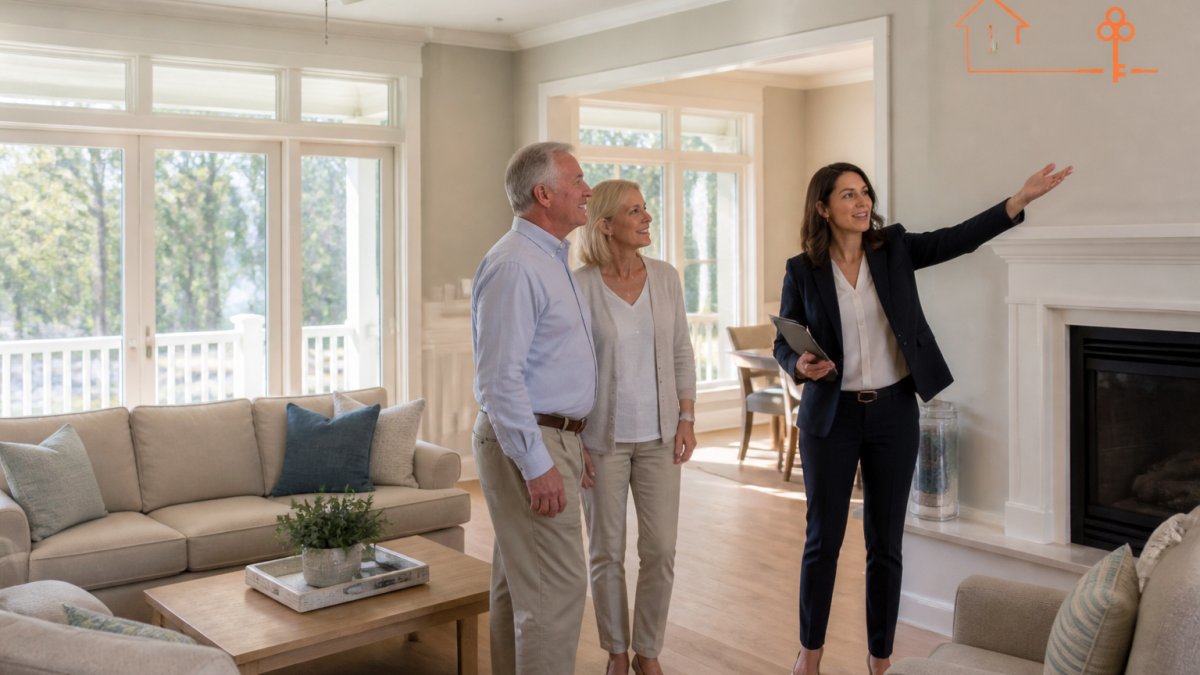
Mount Pleasant, Summerville, Daniel Island, and the surrounding Tri-County area each offer a different version of Lowcountry retirement. Mount Pleasant puts you close to the beaches and the Ravenel Bridge; Summerville trades some convenience for larger lots and lower density; Daniel Island mixes walkability with a planned-town feel.
55+ Communities vs. Traditional Neighborhoods
A 55+ community restricts at least 80% of its units to households with someone aged 55 or older, which is what makes it legally distinct from a standard subdivision. Traditional neighborhoods have no age restriction but also no shared amenities or organized social calendar.
| Feature | 55+ Community | Traditional Neighborhood |
|---|---|---|
| Age restriction | 55+ per federal law | None |
| Maintenance | Often handled by HOA | Owner’s responsibility |
| Amenities | Clubhouse, pool, fitness | Varies by subdivision |
| Social structure | Planned activities | Organic, less formal |
Neither is better. It comes down to whether you want a built-in social calendar or the flexibility of an unrestricted neighborhood.
Step 3: Understand Property Tax Exemptions for Seniors in South Carolina
South Carolina offers real property tax relief for qualifying seniors, and the main one is the Homestead Exemption. It exempts a portion of your home’s value from property tax once you meet the age and residency requirements. The exact dollar amount and eligibility rules change, so confirm current figures with the South Carolina Department of Revenue before you count on a specific number.
How to Apply for the Homestead Exemption
Apply through your county assessor’s office, not the state. In most Tri-County counties you file after you turn 65, or earlier if you qualify on disability grounds, and you must own and occupy the home as your primary residence. Bring proof of age, proof of residency, and your deed. Filing is free, and the exemption applies going forward once approved.
Filing late can cost you. Most counties do not retroactively apply the exemption to prior tax years, so a missed deadline means paying the full bill for that year with no refund.
Step 4: Plan for Age-in-Place Home Features
Age-in-place design means choosing a home you can live in safely as mobility and health change, rather than planning to move again in ten years.
When you tour homes for sale in Mount Pleasant or anywhere else in the region, walk the floor plan with a tape measure.
- First-floor primary bedroom and full bath
- No-step or ramped entry at one door minimum
- Doorways at least 32 inches clear
- Bathroom walls blocked for future grab bars
- Lever-style door handles and faucets
- Adequate lighting in hallways and stairs
Retrofitting these after purchase is possible, but it is far cheaper to buy a home that already has them.
Step 5: Get Your Financing in Order
Most retirees buying in the Charleston area pay cash, but cash is not the only path. Conventional loans, VA loans for eligible veterans, and reverse mortgages all work for the right buyer, and each has different underwriting rules around retirement income.
Lenders evaluate retirement income differently than salary. They want to see stable sources: Social Security, pension payments, annuity income, and documented withdrawals from retirement accounts. Two years of tax returns usually tell the story.
Get pre-approved before you tour, not after. In a market where desirable homes in active adult communities move quickly, a seller who sees a pre-approval letter takes your offer more seriously than one who does not.
Step 6: The Legal and Real Estate Checklist for Retirees
The legal side of a retirement purchase has moving parts that a standard first-time buyer never touches. Most top-ranking guides stop at “review the HOA docs.” Here is the actual sequence, in the order it happens, with the mechanisms that trip people up.
Phase 1: Before You Make an Offer
- Confirm how you will take title. Joint tenancy with right of survivorship, tenancy in common, and trust ownership each affect what happens when one owner dies. If you hold property in a revocable living trust, the trust, not you personally, is the buyer, and the offer paperwork has to say so. Ask your attorney which structure fits your estate plan before you sign anything.
- Request the resale package early. In most planned communities, the seller must provide governing documents, the current fee schedule, financial statements, and any pending litigation. Read the budget, not just the rules. A reserve fund that is underfunded relative to the age of the roofs and roads is a future special assessment.
- Check for age-restriction language in the deed or covenants if the 55+ status matters to you. The restriction has to be recorded, not just advertised.
- Verify flood zone status and get an elevation certificate for any property near water. This affects insurance, not just the purchase.
- Confirm homestead exemption timing so you do not miss the first eligible tax year.
Phase 2: Contract and Deposit Mechanics
- Understand what your earnest money deposit actually does. The deposit is held in escrow and is generally refundable during the inspection and financing contingency windows. Once those windows close, the deposit is typically at risk. Know your contingency dates before you sign.
- Read the community’s right of first refusal. Some associations can step in and match your offer or approve the buyer. This can add days to your timeline.
- Ask whether the community charges a transfer fee, capital contribution, or working capital fee at closing. These are separate from the monthly service fee and are easy to miss in the marketing materials.
- Coordinate the sale of your current home if you are not paying cash. Contingent offers are harder to win, so a bridge loan or a rent-back arrangement may be worth discussing with your lender.
Phase 3: Closing
- Review the settlement statement line by line. HOA prorations, transfer fees, and any community-specific charges should appear here. If a number does not match the resale package, ask before you sign.
- File your homestead exemption after closing. Most counties do not retroactively apply it, so the timing of your deed recording matters.
The single most expensive mistake retirees make is skipping the governing document review. HOA restrictions on rentals, pets, and exterior changes can reshape how you live in a home long after closing, and an underfunded reserve fund can turn into a special assessment you did not budget for.
Step 7: Hiring a Local Real Estate Agent for Retirees
Hiring a local real estate agent for retirees means finding someone who understands both the 55+ market and the financial mechanics that come with it. A generalist who mostly sells to young families may not know which communities have waitlists, which have rising fees, or which counties process homestead filings fastest.
The Mills Team brings 69+ years of combined local experience across the Tri-County area, with Certified Residential Specialists on staff and a track record of more than 2,000 properties sold.
Ask any agent you interview three questions: How many 55+ transactions have you closed in the last year? Can you walk me through the homestead exemption timeline for my county?
Frequently Asked Questions
What are the best 55+ communities in the Charleston area?
The Charleston Tri-County area has a range of 55+ and active adult communities, from Mount Pleasant to Summerville and beyond. The best fit depends on your priorities: walkability, proximity to healthcare access, amenities like golf or pools, and whether you want a life plan community with continuing care. Tour several communities during different times of day and ask about monthly service fees, entrance fees, and resale policies before deciding.
How does the property tax exemption for seniors work in South Carolina?
South Carolina offers a homestead exemption that can reduce the taxable value of your primary residence once you turn 65 or become totally and permanently disabled. You apply through your county assessor’s office and must meet residency requirements. The exemption applies to your legal residence, not rental or second homes. Contact your county assessor for current application steps and deadlines, since rules and forms can change.
What should I look for in a retirement home to ensure it is age-in-place friendly?
Prioritize single-story layouts or a main-floor primary bedroom, wide doorways and hallways, no-step entry, and a bathroom with a curbless shower and grab bar blocking. Check for lever-style door handles, good lighting, and easy-to-reach outlets and switches. Location matters too: proximity to healthcare access, groceries, and walkability reduces future transportation stress. A Certified Residential Specialist can help you evaluate these features during showings.
How does the buying process differ for retirees compared to first-time buyers?
Retirees often buy with cash or a larger down payment, which can simplify financing but still requires proof of funds and careful timing if you are selling a current home. Retirees also weigh long-term care access, property tax exemptions, and age-in-place features more heavily than first-time buyers. If you are relocating from out of state, coordinate the sale of your current home with your Charleston purchase to avoid carrying two mortgages.
How do I coordinate a move from out-of-state to a retirement home in Charleston?
Start by hiring a local real estate agent for retirees who understands relocation timelines. Get pre-approved or provide proof of funds, schedule a focused house-hunting trip, and line up a moving company early. If you are selling your current home, ask your agent about bridge financing or a rent-back agreement. Keep your legal documents, tax records, and medical referrals organized, and confirm utility transfer dates before you arrive.