Table of Contents
- Why New Construction Homes Appeal to Charleston Buyers
- Master-Planned Communities and Subdivisions in the Charleston Area
- Hiring a Realtor for New Construction: What You Need to Know
- New Construction Home Inspection Checklist and What to Watch For
- Builder Incentives and Closing Costs: Understanding Your True Expenses
- Financing New Construction: VA Loans, First-Time Buyer Programs, and Pre-Construction Approval
- Pros and Cons of Buying New Construction in Charleston
- Conclusion
- Frequently Asked Questions
Last Updated: September 2, 2026
Why New Construction Homes Appeal to Charleston Buyers
Buying new construction homes in Charleston offers distinct advantages that draw buyers away from older inventory. New builds arrive with modern systems, energy-efficient features, and zero hidden surprises. You’re not inheriting someone else’s deferred maintenance or outdated wiring.
The appeal runs deeper than aesthetics. A new construction home comes with builder warranties covering structural elements and systems for years after closing. That peace of mind matters, especially for first-time buyers navigating their largest purchase.
Charleston’s real estate market has shifted toward new construction as older inventory tightens. According to National Association of Realtors market data, new construction represents a meaningful share of active listings in competitive metro areas. For buyers, this means more choice in subdivisions, floor plans, and price points than existed five years ago.
The Mills Team has guided buyers through new construction purchases across the Charleston Tri-County area. The process differs significantly from buying resale homes, different timelines, different financing rules, different negotiation use. Understanding those differences before you make an offer is the difference between a smooth closing and unexpected complications.
Start your new construction search by identifying which master-planned communities align with your budget and lifestyle. Neighborhoods fill up fast, and the best floor plans sell within weeks of release.
Master-Planned Communities and Subdivisions in the Charleston Area
Master-planned communities dominate new construction in the Charleston region. These developments combine single-family homes, townhomes, and sometimes condominiums within a coordinated design featuring shared amenities, architectural standards, and community infrastructure.
The appeal is straightforward: you get cohesion. Streets are designed together, trees are planted in sequence, and amenities like pools, fitness centers, and parks are planned from day one. You’re not buying a house in isolation, you’re buying into a neighborhood that was intentionally built to function as one.
Communities like those in West Ashley, Summerville, and the greater Charleston suburbs offer different lifestyle profiles. Some emphasize walkability and urban convenience. Others prioritize space, privacy, and family-friendly amenities. The choice depends on what matters most to your household.
New construction subdivisions typically have homeowners associations (HOAs) managing common areas, enforcing architectural standards, and maintaining shared facilities. Understand the HOA structure, fees, and rules before committing. Some buyers overlook this step and regret it later when they discover restrictions on exterior colors, landscaping, or vehicle types.
The Mills Team works regularly with builders across multiple master-planned communities. We can walk you through the differences between neighborhoods, explain what amenities actually matter versus what’s marketing, and help you identify which community fits your long-term plans.
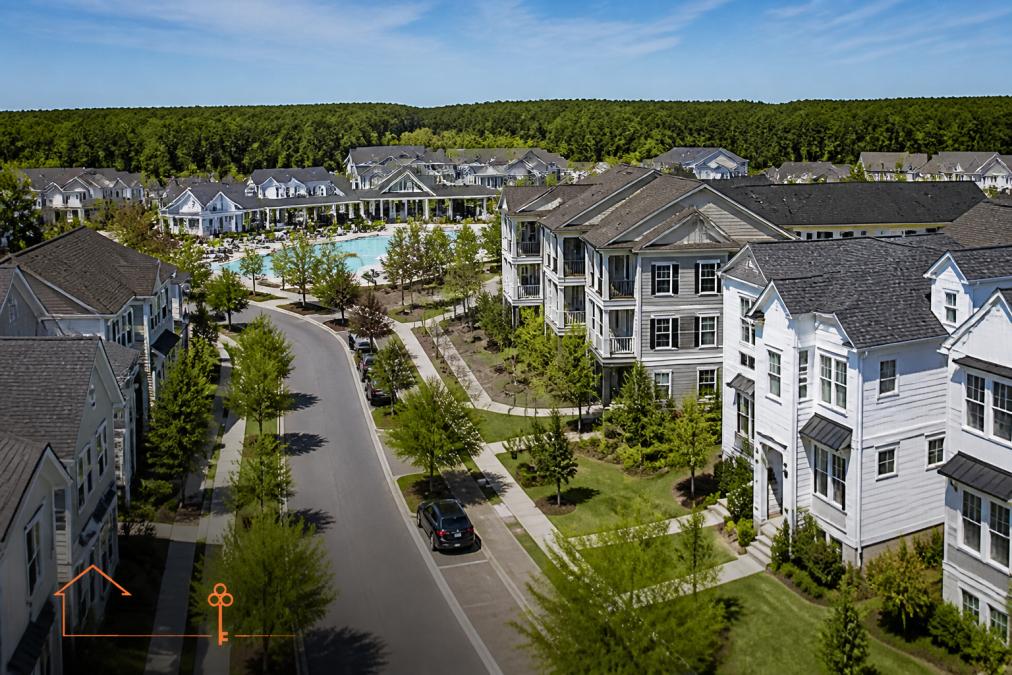
Master-planned communities offer predictability: you know what the neighborhood will look like in five years because the master plan is already drawn. That certainty appeals to buyers who want stability and community cohesion.
Hiring a Realtor for New Construction: What You Need to Know
Working with a realtor for new construction differs from buying resale homes in meaningful ways. Many agents treat new construction like any other transaction. The skilled ones understand the builder relationship, the contract nuances, and where you have actual negotiating power.
A good realtor for new construction serves as your advocate with the builder. Builders have sales teams trained to maximize profit on every transaction. Your agent’s job is to ensure you’re not overpaying, that incentives are applied correctly, and that contract terms protect your interests.
The Mills Team represents buyers in new construction deals regularly. We negotiate directly with builders, review contracts for hidden costs, and ensure closing timelines align with your moving needs. We also handle the VA loan coordination for military families, which requires specific builder cooperation and timeline management.
One critical advantage: a buyer’s agent costs you nothing. The builder pays the commission from their margin. Too many buyers skip representation thinking they’ll save money. In reality, you’re leaving use on the table. A skilled agent recovers their commission multiple times over through better incentives, contract terms, and closing cost negotiations.
When interviewing realtors for new construction work, ask about their builder relationships, their experience with your target communities, and how they handle disputes. Not all agents have the credibility to push back on builder requests or challenge unfair contract terms.
Never sign a builder contract without having a realtor review it first. Builders include terms that benefit them, like allowing price increases, limiting your inspection rights, or shifting closing costs to you. An experienced agent catches these before you sign.
New Construction Home Inspection Checklist and What to Watch For
New construction homes still need professional inspections, despite the builder warranty. The inspection serves a different purpose than resale home inspections, you’re not looking for deferred maintenance, you’re looking for construction defects and quality issues that the builder should fix before closing.
Schedule your inspection after the builder declares the home substantially complete but before you do your final walkthrough. This timing gives the builder time to address issues without delaying your closing.
A solid new construction inspection covers structural integrity, electrical systems, HVAC functionality, plumbing for leaks or pressure issues, and appliance operation. The inspector should test every outlet, run every faucet, check for proper grading around the foundation, and verify that doors and windows seal properly.
Pay special attention to areas where quality issues commonly hide: caulking gaps around windows, unfinished drywall in closets, electrical outlet placement inconsistent with the floor plan, and HVAC ductwork that doesn’t match specifications. These aren’t catastrophic problems, but they signal whether the builder prioritizes quality or just speed.
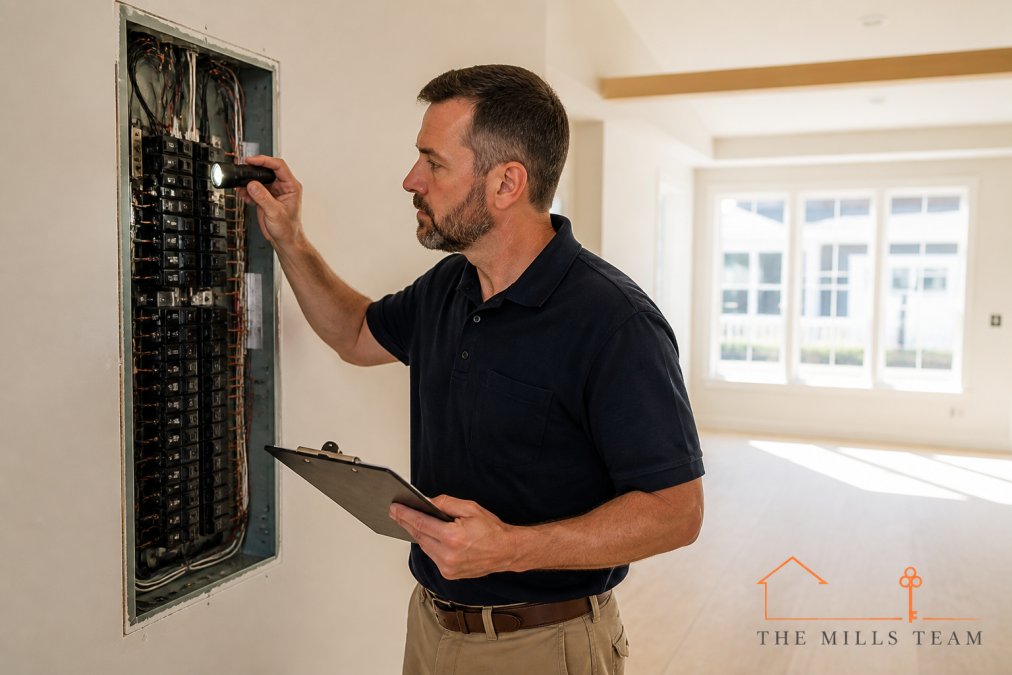
Common new construction issues include:
- Drywall and paint quality: Look for uneven surfaces, poor paint coverage, or visible seams
- Flooring installation: Check for gaps, uneven transitions, or squeaky boards
- Appliance function: Verify all built-in appliances operate and match the specifications in your contract
- Grading and drainage: Confirm water slopes away from the foundation, not toward it
- HVAC balance: Some rooms may be noticeably warmer or cooler, note these for builder adjustment
The builder is contractually obligated to fix defects before closing. Document everything in writing, and don’t close until you’re satisfied with the repairs. Once you sign the final paperwork, your use disappears.
Take photos and videos during your inspection. If disputes arise later about what was promised versus what was delivered, documentation protects you. Builders remember conversations differently when money is involved.
Builder Incentives and Closing Costs: Understanding Your True Expenses
Builder incentives exist because competition is real. When a builder offers to cover closing costs, upgrade appliances, or reduce the price, they’re signaling that they need to move inventory. Understanding how incentives work protects you from overpaying.
Incentives typically come in three forms: price reductions, upgrade packages, or closing cost assistance. A price reduction is straightforward, the home costs less. Upgrade packages let you pick higher-end finishes without paying full retail price. Closing cost assistance means the builder funds some of your closing expenses.
The trap is thinking all incentives are equal. A builder who cuts the price by a certain amount is different from one who offers the same amount in closing cost assistance. The price reduction lowers your loan amount and your monthly payment. Closing cost assistance doesn’t. If you’re financing, the price reduction has more real value.
Closing costs for new construction typically range higher than resale purchases because builders often require specific lenders or title companies. Some builders have preferred lender relationships that include inflated fees. Shop around. Your realtor should help you compare closing cost estimates from multiple lenders, not just the builder’s preferred option.
Common new construction closing costs include:
- Loan origination and processing fees
- Appraisal costs
- Title insurance and search
- Property survey (sometimes required for new construction)
- Homeowners insurance (required before closing)
- Property taxes and HOA setup fees
- Builder-specific fees (sometimes buried in closing statements)
Never accept the builder’s closing cost estimate as final. Lenders are required to provide detailed estimates within three business days of application. Compare estimates from at least two lenders before committing.
The Mills Team reviews all closing cost estimates with our buyers before they go to closing. We identify inflated fees, negotiate where possible, and ensure you understand exactly what you’re paying for. Builders count on buyers being overwhelmed by the paperwork, we make sure you’re not.
Financing New Construction: VA Loans, First-Time Buyer Programs, and Pre-Construction Approval
Financing new construction requires understanding how builder timelines interact with lending timelines. Most lenders pre-approve you before you find a home, then lock in your rate for a specific timeframe. New construction timelines can exceed that window, leaving you vulnerable to rate increases.
The solution is pre-construction approval specifically for new builds. This approval acknowledges that you won’t close for several months and protects your rate lock accordingly. Not all lenders offer this, which is why working with a lender experienced in new construction matters.
VA loans for military buyers present specific challenges in new construction. Builders must be approved to work with VA financing, and some resist because VA appraisals are stricter and the process takes longer. The Mills Team works with builders across the Charleston area who actively welcome VA buyers. We coordinate the VA loan process, ensure the builder meets all VA requirements, and manage the timeline so your closing happens on schedule.
First-time buyer programs vary by state and lender. Some offer down payment assistance, reduced rates, or flexible credit requirements. Research what you qualify for before you start looking. Some programs have income limits or require homebuyer education courses, plan accordingly.
According to Consumer Financial Protection Bureau guidance on mortgage shopping, comparing offers from at least three lenders typically saves borrowers thousands in interest and fees over the loan term. New construction financing is no exception.
Pre-construction approval typically requires:
- Proof of income and employment
- Credit check and score verification
- Debt-to-income ratio confirmation
- Down payment verification
- Pre-approval letter valid for new construction timelines
Lock in your pre-approval before you start seriously looking at homes. This shows builders and sellers you’re a serious buyer, and it prevents rate-lock surprises down the road.
New construction financing moves slower than resale purchases because appraisals happen later in the process. Plan for 45-60 days from contract to closing, not the 30 days typical for resale homes.
Pros and Cons of Buying New Construction in Charleston
New construction offers genuine advantages alongside real tradeoffs. Weighing both sides honestly prevents buyer’s remorse.
Pros of buying new construction:
- Builder warranties: Structural components and major systems are covered for years after closing
- Energy efficiency: New homes meet current building codes and often exceed them, lowering utility costs
- Customization options: You can select finishes, colors, and sometimes floor plan modifications before construction completes
- No surprises: You’re not discovering hidden problems after closing, the builder is responsible for defects
- Modern design: New homes include current electrical capacity, HVAC efficiency, and technology infrastructure
- HOA predictability: Master-planned communities have established rules and amenity plans, not aging infrastructure
Cons of buying new construction:
- Longer timelines: Closing takes several months from contract, not 30-45 days like resale
- Limited negotiation use: Builders set prices and terms; your use is limited compared to resale markets
- Appraisal risk: If the market declines during construction, your home may appraise below purchase price
- HOA fees: Master-planned communities require HOA membership with ongoing fees for maintenance and amenities
- Fewer established neighborhoods: New communities lack the character and established trees of older neighborhoods
- Less inventory selection: You’re choosing from what the builder offers, not the entire market
- Closing cost surprises: Builders sometimes add fees late in the process that weren’t disclosed upfront
The decision comes down to priorities. If predictability, warranty coverage, and modern systems matter most, new construction wins. If you value established neighborhoods, negotiation flexibility, and lower HOA costs, resale homes may serve you better.
Don’t assume new construction is always cheaper than resale. Builder prices in desirable master-planned communities can exceed comparable resale homes. Compare apples to apples before deciding that new is more affordable.
Conclusion
Buying new construction homes in Charleston requires understanding how the process differs from resale purchases, different timelines, different contract terms, different use points. The builders have sophisticated sales teams trained to maximize profit. You need representation that understands those dynamics and advocates for your interests.
The Mills Team has guided buyers through new construction purchases across the Charleston Tri-County area. We negotiate with builders, review contracts for hidden costs, coordinate VA loans for military families, and ensure your closing happens on your timeline. Our experience with master-planned communities and builder relationships gives you advantages that solo buyers don’t have.
Get started with The Mills Team and let our team handle the builder negotiations while you focus on choosing the right home for your family. We’ll ensure you understand every cost, every timeline, and every contract term before you commit.
Frequently Asked Questions
What are the main benefits of buying new construction homes instead of resale properties?
New construction homes offer energy-efficient systems, modern design, builder warranties, and customization options that resale homes lack. You avoid costly repairs from aging infrastructure, enjoy smart home technology, and have a clear understanding of the home’s condition. Additionally, many new builds in Charleston’s master-planned communities include amenities like pools, fitness centers, and HOA management, creating a move-in-ready lifestyle without renovation surprises.
Do I need a real estate agent when buying new construction homes in Charleston?
Yes, hiring a realtor for new construction is highly valuable. A qualified agent protects your interests by negotiating with builders, reviewing contracts, identifying hidden costs, and ensuring you understand closing timelines and property tax implications. Builders expect agent involvement and often have incentives built into their pricing. Your agent can also coordinate inspections and help you avoid unfavorable builder terms that could lock you into poor financing or limited recourse.
What should I look for during a new construction home inspection?
A comprehensive new construction home inspection checklist should include structural integrity, electrical and plumbing systems, HVAC functionality, roof installation, grading and drainage, appliance operation, and finish quality. Pay special attention to gaps, cracks, paint defects, and proper installation of windows and doors. Request a final walk-through before closing to verify all upgrades are complete and builder incentives have been applied correctly.
How do builder incentives and closing costs work in new construction purchases?
Builder incentives and closing costs vary widely but may include upgraded flooring, appliances, or landscaping, along with contributions toward closing expenses. Builders sometimes offer rate buydowns or HOA fee credits to make homes more affordable. Closing costs typically include appraisal, inspection, title insurance, and loan origination fees. Your realtor can help you negotiate these terms upfront and ensure all incentives are documented in writing before you commit.
Is Charleston a good market for buying new construction homes right now?
Charleston’s real estate market remains competitive with steady housing inventory and strong demand. New construction offers reliable pricing, energy efficiency, and customization, advantages that appeal to first-time buyers, military relocators, and retirees seeking low-maintenance homes. The Tri-County area has multiple master-planned communities and subdivisions in various price ranges, making it possible to find move-in-ready homes suited to different budgets and lifestyles.
What financing options are available for new construction homes in Charleston?
Financing options include conventional mortgages, VA loans for military families, FHA loans for first-time buyers, and builder-specific programs. Pre-construction approval is essential before shopping, it shows builders you’re a serious buyer and helps you understand your budget. Some builders offer special incentives or financing partnerships. VA loan holders should work with lenders experienced in new construction, as the process differs slightly from resale financing.
What are the biggest risks or drawbacks of buying new construction?
Common concerns include construction delays, unexpected upgrades driving costs higher, property tax surprises after appraisal, and HOA fees that increase over time. Builder contracts heavily favor the builder, limiting your recourse for defects. Customization choices can lead to scope creep and budget overruns. Buying off-site plans means you can’t inspect the final product until near closing. Working with an experienced realtor helps mitigate these risks through careful contract review and timeline management.
Ready to start your new construction search? Contact The Mills Team today. We’ll walk you through your options, connect you with the right communities for your budget and lifestyle, and handle all the builder negotiations so you can focus on finding your perfect home.