

Table of Contents
- The Case for Buying a Condo in Charleston
- Charleston Condo vs House: Key Differences
- Understanding Charleston Condo HOA Fees and Ownership Costs
- Charleston Condo Rental Restrictions and Investment Potential
- Flood Risk, Building Quality, and Due Diligence
- Who Should Buy a Condo in Charleston
- Frequently Asked Questions
Last Updated: October 12, 2026
The Case for Buying a Condo in Charleston
Buying a condo in Charleston offers real advantages: lower entry price, minimal exterior maintenance, and walkable urban neighborhoods. The catch is trading off space, control, and long-term appreciation potential.
The question isn’t whether condos are good or bad, but whether one matches your finances, lifestyle, and investment timeline.
Most first-time buyers assume condos are cheaper than houses. They are, until you factor in HOA fees, insurance, and special assessments.
Charleston Condo vs House: Key Differences
A condo and a single-family home operate under different ownership models.
A house gives you complete control: you own the land and structure and make all decisions about maintenance and renovations.
This creates real consequences.
Maintenance differs sharply. Condo owners handle unit interiors, flooring, fixtures, and appliances; the HOA manages exteriors and shared areas.
Lifestyle trade-offs matter. Condos in downtown Charleston or Mount Pleasant often mean walkability, nearby restaurants and shops, and minimal yard work.
Understanding Charleston Condo HOA Fees and Ownership Costs
HOA fees vary widely by building age, amenities, and reserve health. Older buildings with aging systems and depleted reserves often have higher fees; newer buildings may have lower monthly costs but higher special assessment risk.
What HOA Fees Cover
Your monthly HOA fee typically covers common area maintenance, building insurance, property management, and reserve fund contributions for major repairs like roof replacement or structural work.
Common areas might include hallways, lobbies, fitness centers, pools, or rooftop terraces.
The problem: many buildings have underfunded reserves, so when major repairs arise, the HOA must levy a special assessment, a bill for thousands of dollars, sometimes with little notice.
How to Audit an HOA Before You Make an Offer
Most buyers skim the HOA packet and focus on the monthly number. That’s backwards, the fee is a symptom; the budget, reserve study, and meeting minutes are the diagnosis. Request these during due diligence:
- Reserve study. This is an engineer-prepared report estimating the remaining useful life of every major component (roof, elevators, plumbing, siding, parking deck) and the cost to replace it. Look at the “percent funded” figure. A reserve that is funded well below its recommended level means future special assessments are likely, not hypothetical.
- Operating budget. Compare the current year’s budget to the prior two years. Line items that jump sharply (insurance, utilities, management) signal cost pressure that will eventually reach your monthly fee.
- Balance sheet and delinquencies. A high percentage of owners behind on dues strains cash flow. Ask what share of units are delinquent and whether the HOA has had to borrow or tap a line of credit.
- Meeting minutes (last 12-24 months). Minutes are where problems surface: pending litigation, deferred maintenance votes, insurance claims, contractor disputes, and discussions of a special assessment. Read them in full, not just the approved motions.
A low monthly HOA fee is not automatically good news. It often means the reserve is being starved to keep dues artificially low, which pushes the real cost into a future special assessment. A moderately higher fee with a well-funded reserve is usually the safer ownership profile.
Total Cost of Ownership: Build the Model Yourself
The condo price tag is only part of the equation. Your true monthly cost includes the mortgage, property taxes, HOA fees, insurance (including required flood or wind coverage), utilities, and a sinking-fund allowance for special assessments.
A lower-priced condo with a substantial HOA fee plus taxes and insurance can cost more monthly than a modestly higher-priced house with lower carrying costs and no HOA.
Build a side-by-side model before you make an offer:
- Mortgage principal and interest at your actual rate and down payment.
- Property taxes based on the assessed value and the applicable assessment ratio for the property type.
- HOA dues as currently stated, plus a realistic annual increase (dues rarely stay flat).
- Insurance. For a condo, you typically need an HO-6 policy for interior contents and improvements, in addition to the master policy the HOA carries. If the building is in a flood zone, add flood coverage, which is separate from your HO-6.
- Utilities not covered by the HOA (electric, water, internet, and any separately metered services).
- A special-assessment reserve. Set aside a monthly amount based on the reserve study’s funding gap. Even a modest monthly set-aside changes the comparison against a house.
Run the same six-line model for a comparable house, then compare the ten-year totals, not just the first-year monthly payment.
Before making an offer, request the HOA’s financial statements, reserve study, insurance certificate, and recent meeting minutes. A weak reserve fund, rising delinquencies, or active litigation are red flags that signal future costs you can’t predict. If the seller or HOA won’t produce these documents, treat that as an answer in itself.
Condo Financing and Warrantability
Even if the numbers work, the building must qualify for your loan. Many conventional lenders require condo projects to meet warrantability standards covering owner-occupancy ratios, single-entity ownership, delinquency rates, reserves, and litigation.
Ask your lender early whether the specific project is approved, and get that in writing before you waive your financing contingency. If the project isn’t warrantable, you may need a different loan program or a larger down payment, and that changes the entire worth-it calculation.
Charleston Condo Rental Restrictions and Investment Potential
Many Charleston condo buildings limit how often you can rent your unit. Some prohibit short-term rentals entirely; others cap rented units or require part-year owner-occupancy.
These restrictions matter if you’re buying as an investment or may relocate.
Check the HOA documents before buying and understand exactly what rental restrictions apply.
Investment returns in condos also lag single-family homes historically. Condos appreciate more slowly and often carry higher costs relative to appreciation, making them less attractive for long-term wealth building.
Flood Risk, Building Quality, and Due Diligence
Charleston’s location creates real flood and wind risk, which most condo buyers underweight. The practical question: for this building, what is the flood exposure, what will insurance cost, and how has the structure performed in storms?
Flood Zones, Elevation, and What They Mean for You
Start with the FEMA flood zone designation for the building’s address. The zone determines whether federally backed mortgages require flood insurance and how lenders treat the property:
- High-risk zones (AE, A, VE, and similar). Flood insurance is generally required for federally backed loans. VE zones carry the highest wind and wave exposure and the steepest premiums.
- Moderate- and lower-risk zones (X, shaded X). Insurance may not be required, but coverage is still worth pricing, and some lenders and HOAs require it anyway.
Zone alone isn’t the whole story. Ask for the building’s elevation certificate, which shows the lowest floor elevation relative to the base flood elevation. A building sitting well above base flood elevation in an AE zone can be far safer and cheaper to insure than one sitting at or below it.
Also look at the ground around the building, not just the map. Charleston’s low-lying peninsula and surrounding areas experience both tidal flooding and rainfall flooding, and the two don’t always overlap.
Insurance: What the Master Policy Covers and What You Still Need
The HOA’s master policy typically covers the building structure and common elements, but not your unit’s interior, belongings, or loss of use, you’ll need an HO-6 policy. Two details matter more than the premium:
- The master policy deductible. A high deductible can be passed to owners through the HOA after a claim, effectively becoming a special assessment. Ask what the deductible is and how it’s funded.
- Whether the master policy includes flood and wind. Many do not, or they carry separate, high deductibles for named storms. If the master policy excludes flood, your HO-6 flood coverage and the HOA’s position on flood insurance become central to your risk.
Get quotes for HO-6 and flood coverage before you remove contingencies. Premiums in coastal zones can be substantial and can change after a storm event or a map revision, so build in a cushion rather than assuming today’s quote holds for ten years.
Building Resilience and Construction Quality
Older Charleston buildings can be sound or carry hidden water intrusion, outdated waterproofing, and aging foundations. Newer construction isn’t automatically safer, especially if built quickly during a boom. Look for:
- Elevation and enclosure. Is the ground floor living space, parking, or storage? Ground-floor units in flood-prone areas carry more risk and higher insurance.
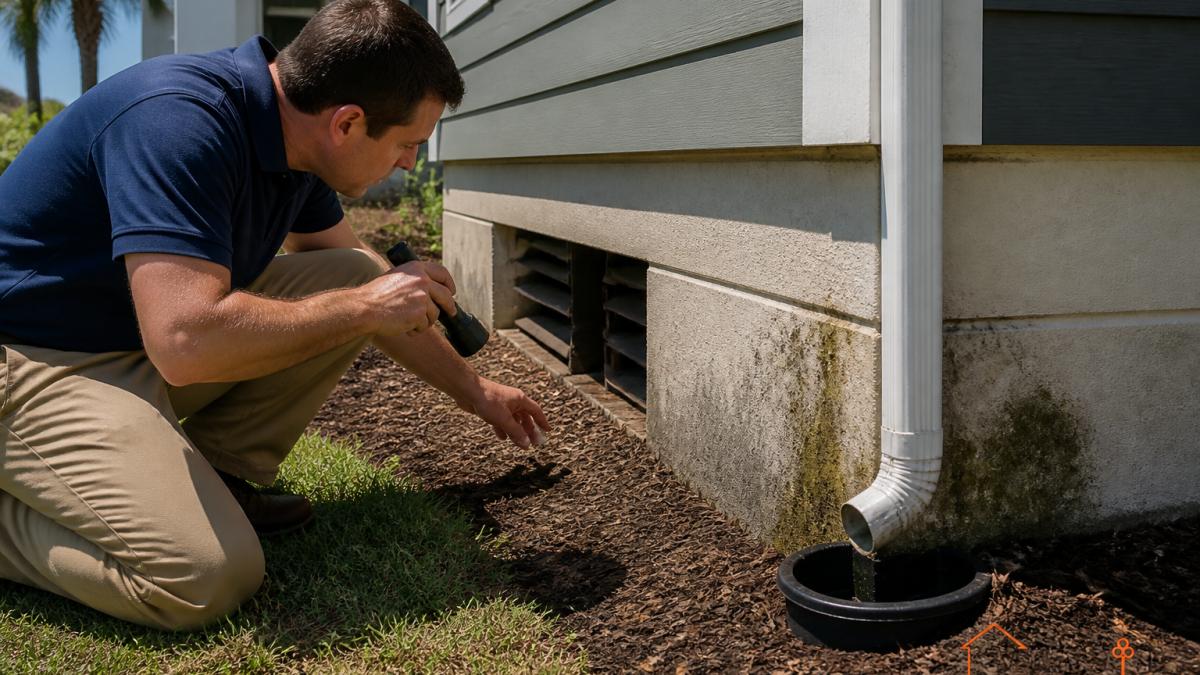
- Drainage and grading. Where does water go during a heavy rain? Poor site drainage can flood a building that sits outside the mapped flood zone.
- Roof, windows, and waterproofing. These are the first lines of defense against wind-driven rain. Their age and condition show up in the reserve study and the maintenance records.
- Storm history. Ask how the building performed during recent named storms and major rain events. Water intrusion that was repaired can still leave mold, rot, or insurance claims in the record.
Hire an inspector who has specific experience with condos and coastal construction, not a generalist. The inspection should cover the unit interior and, where accessible, the building’s exterior, foundation, drainage, and shared structural components. Pair the inspection with a review of the HOA’s maintenance records and any engineering reports.
The Due Diligence Sequence
Put the pieces in order so nothing slips through:
- Pull the flood zone and elevation data for the address before you tour.
- Request the HOA packet, budget, reserve study, insurance certificate, meeting minutes, litigation history, and maintenance records.
- Get insurance quotes for HO-6 and flood coverage based on the actual building, not a generic estimate.
- Schedule the inspection with a coastal-condo specialist and attend if you can.
- Talk to current residents about flooding, maintenance responsiveness, and whether special assessments have been levied recently. Owners give you the honest version that marketing materials won’t.
- Confirm financing for the specific project before your contingency deadlines.
Flood risk isn’t a yes-or-no question, it’s a set of measurable variables: zone, elevation, insurance cost, building condition, and storm history. A condo with modest flood exposure, a well-funded reserve, and a clean maintenance record can be a sound purchase. A condo with unclear elevation, an underfunded reserve, and a history of water intrusion is a risk you’re buying, not a discount.
Who Should Buy a Condo in Charleston
Condos work poorly for buyers planning to stay 10+ years and build equity, and for investors seeking rental income or long-term appreciation.
The Mills Team helps buyers evaluate their specific situation and find the right property type, whether you’re a first-time buyer, military family relocating, or empty-nester downsizing.
Buying a condo in Charleston can be a smart financial move if you understand the true costs and match the property to your lifestyle.
Frequently Asked Questions
Is buying a condo in Charleston a good investment?
A condo can be a solid investment if you plan to stay long-term, value low maintenance, and accept that you won’t control exterior upgrades or shared amenities. However, resale value depends heavily on HOA financial health, rental restrictions, and local market conditions. Condos in flood-prone areas or with poorly managed associations may appreciate more slowly than single-family homes. Work with a local real estate expert to evaluate the specific building’s condition and HOA practices before deciding.
What are the main costs of owning a condo beyond the purchase price?
Beyond your mortgage, you’ll pay HOA fees, property taxes, homeowners insurance, and potentially special assessments for building repairs. Some condos also charge parking fees, pet fees, or amenity fees. Unlike single-family homes, you have no control over HOA fee increases. Request 3-5 years of HOA financial statements and meeting minutes to understand the building’s reserve fund and planned expenses.
Can you rent out a condo in Charleston?
Many Charleston condos allow rentals, but restrictions vary significantly by building. Some associations limit rental periods (minimum 30 days or 1 year), cap the number of rental units, require approval before renting, or prohibit short-term rentals entirely. Check the HOA bylaws and CC&Rs before buying if rental income is part of your plan. Buildings with strict rental rules may be harder to sell if your investment goals change.
How do HOA fees affect affordability when buying a condo in Charleston?
HOA fees reduce your effective purchasing power because lenders factor them into your debt-to-income ratio. A $300 monthly HOA fee is treated like an additional loan payment, which can lower the mortgage amount you qualify for. When comparing a condo to a single-family home at the same price, the condo’s true cost is higher due to ongoing HOA obligations. Always include HOA fees in your total monthly housing budget before making an offer.