
Table of Contents
- Why 2026 Is a Critical Year to Sell Your Historic Charleston Home
- Board of Architectural Review Guidelines: What Sellers Must Know
- The Historic Home Inspection Checklist for Charleston Sellers
- Selling a Home with a Mortgage: What Historic Property Owners Need to Do
- Flood Zone Disclosures and the 2026 Coastal Insurance Landscape
- Tax Incentives and Energy Efficiency Upgrades That Increase Value
- Staging, Documentation, and Pricing Strategies for Historic Homes
- Conclusion: Your Next Steps to a Successful Historic Home Sale
- Frequently Asked Questions
Last Updated: October 3, 2026
Why 2026 Is a Critical Year to Sell Your Historic Charleston Home
Historic Charleston home sales in 2026 reward sellers who prepare before listing, not after. Inventory remains tight, buyers are more educated about preservation rules than they were five years ago, and the coastal insurance market has changed how offers get structured.
The stakes are real. A pre-1900 single house with deferred maintenance and no documentation sits on the market for months. The same house with a clean inspection file, a documented renovation history, and a realistic price sells faster.
What Buyers Are Looking For in Historic Properties This Year
Buyers in 2026 want three things: architectural integrity, documented maintenance, and clarity on insurance. A Charleston single house with original heart-pine floors and a working piazza still commands attention, but only if the buyer can get a policy without a fight.
What most sellers miss is the insurance question. Coastal insurance carriers now ask harder questions about roof age, elevation certificates, and prior claims. Buyers walk away when those answers aren’t ready.
- Architectural integrity: Original details intact, no unpermitted changes
- Documentation: Permits, inspection reports, and renovation records organized
- Insurance clarity: Elevation certificate, flood zone status, and roof age on hand
Board of Architectural Review Guidelines: What Sellers Must Know
The Board of Architectural Review (BAR) governs exterior changes in Charleston’s historic districts, and its reach extends to the sale process itself. Any alteration a buyer wants to make after closing will require BAR approval, and buyers know it.
The BAR reviews changes to windows, siding, roofs, piazzas, fences, and paint colors visible from the street. Unpermitted work discovered during due diligence can kill a deal or force a price reduction.
Common BAR Pitfalls That Delay Closings
The most common delay is unpermitted work from a previous owner. A replaced window that doesn’t match the historic profile, a modern HVAC unit visible from the street, or a fence built without approval all surface during buyer due diligence.
Unpermitted exterior work in a historic district can force a price reduction or a failed closing. Buyers and their agents now pull permit records before making an offer. Resolve compliance issues before you list, not after.
The Historic Home Inspection Checklist for Charleston Sellers
A pre-listing inspection is the single best investment a historic home seller can make. It surfaces problems on your timeline, not the buyer’s, and gives you room to fix or disclose on your terms.
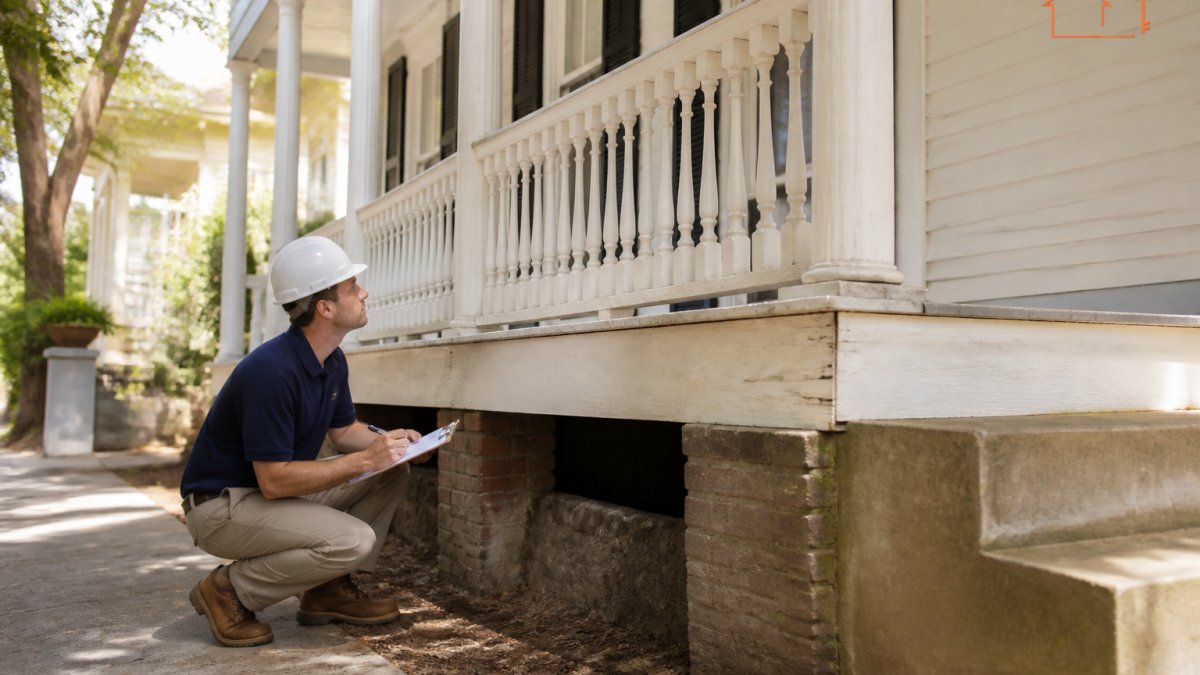
Here’s the checklist we walk sellers through before listing:
- Foundation stability: Check for settling, cracks, and moisture intrusion
- Structural assessment: Inspect joists, sills, and load-bearing walls for rot
- Termite bond: Confirm an active bond and recent inspection
- HVAC retrofitting: Document age, efficiency, and any ductwork changes
- Lead-based paint disclosure: Required for homes built before 1978
- Roof age and condition: Insurers ask; have the documentation ready
Structural Assessment Priorities for Pre-1900 Homes
Foundation stability and sill rot are the two issues that scare buyers most in pre-1900 homes. Both are common in Charleston’s older housing stock, and both are expensive to fix if ignored. Get a structural assessment early.
Selling a Home with a Mortgage: What Historic Property Owners Need to Do
Selling a home with a mortgage means coordinating payoff, title, and closing timelines, and historic properties add layers. Your real estate attorney should review any easements before you list.
Request a payoff statement from your lender early. If you’ve claimed historic preservation tax incentives, confirm whether any recapture applies at sale. These details surface in the closing contingencies, and surprises there cost time.
Flood Zone Disclosures and the 2026 Coastal Insurance Landscape
Flood risk disclosure is mandatory, and in 2026 the insurance side is where historic-home deals stall. Carriers have tightened underwriting on older coastal homes, and buyers now ask for insurability confirmation before they remove contingencies. This is the section most sellers skim, and it is the one that kills the most contracts.
What the Disclosure Actually Requires
Sellers must disclose known flood risk and prior flood damage. In practice, that means assembling a file the buyer’s agent can hand straight to an insurance broker:
- Elevation certificate (current, not a decade-old copy)
- FEMA flood zone determination for the specific parcel
- Prior claims history, including any flood or wind claims
- Roof age documentation, with the installation permit if available
- Any mitigation features, flood vents, barriers, elevation, sump systems
If your home sits in a Special Flood Hazard Area and carries a federally backed mortgage, flood insurance is required for the buyer’s loan. That single fact reshapes the buyer’s monthly carrying cost and, in 2026, their offer.
Why 2026 Underwriting Is Different
Three forces are colliding on historic coastal properties this year:
- Roof age scrutiny. Carriers increasingly decline or surcharge homes with roofs past a certain age. A 20-year-old roof on a historic home is now a negotiating chip, not a footnote.
- Elevation-driven pricing. Premiums scale sharply with elevation relative to base flood elevation. Two identical single houses one block apart can carry very different premiums.
- Replacement-cost inflation on historic materials. Rebuilding a piazza, restoring heart-pine floors, or matching historic windows costs more than standard construction, and carriers price for it.
The Insurability Pre-Check
Before you list, do what a buyer’s broker will do: call two or three carriers or an independent broker and ask what they would quote on your property as-is. If the answer is “we won’t write it,” you have two choices, remediate (roof, vents, elevation documentation) or price the home for a cash buyer who will self-insure. Both are viable; pretending the problem doesn’t exist is not.
A buyer who cannot get an insurable quote will not remove their financing and insurance contingencies. Resolve insurability before listing, not during due diligence.
Order your elevation certificate and a current flood zone determination before listing. Pair them with a roof certification and a claims history letter. Buyers in 2026 ask for insurability confirmation early, and a complete packet removes one of the largest contingency risks in the transaction.
What This Means for Your Pricing Strategy
Insurability is now a pricing input, not a separate topic. A home with a documented elevation certificate, a newer roof, and a clean claims history supports a stronger list price than an identical home where the buyer has to guess. Build the insurance file first, then price.
Tax Incentives and Energy Efficiency Upgrades That Increase Value
Two angles most sellers ignore, and most competing guides skip entirely: preservation tax incentives and non-invasive energy upgrades. Both can transfer real value to a buyer, and both require documentation you should assemble before listing.
How Historic Preservation Tax Incentives Work
The federal rehabilitation tax credit is the headline program.
The critical detail for sellers: the credit is tied to the rehabilitation, not the deed. If you claimed a credit and sell within the recapture period, a portion may be recaptured.
What to hand the buyer:
- A written summary of any credits claimed, with dates and amounts
- The rehabilitation scope, with before-and-after photos
- Permits, contractor invoices, and any preservation-commission approvals
- A note on whether the credit has been fully vested or is still in recapture
For current program rules and eligibility, check the official sources, the National Park Service and the IRS publish the governing guidance, and state programs change.
Energy Efficiency Without Compromising the Historic Fabric
The “drafty old house” objection is real, and it is answerable. The goal is not to modernize the envelope, it is to reduce operating cost without triggering BAR review or damaging historic materials.
Upgrades that typically clear both preservation review and buyer scrutiny:
- Attic and crawlspace insulation using vapor-permeable materials that let the structure breathe
- Duct sealing and HVAC right-sizing, modern high-velocity or mini-split systems can often be routed without visible exterior equipment
- Storm window systems that preserve original sash rather than replacing it
- Programmable or smart thermostats and zoned controls
- Air sealing at penetrations, which is invisible and reversible
What to avoid: replacement windows marketed as “energy efficient,” exterior equipment visible from the street, and any work that alters the historic profile. Those trigger BAR review and can reduce value rather than add it.
Documenting the Value Transfer
Every upgrade should be documented with permits, receipts, and, where applicable, BAR or preservation-commission approval. A curated listing that shows the buyer exactly what has been done, what incentives may apply, and what the operating costs look like stands out against generic listings that simply say “updated.”
Tax incentives and energy upgrades are not marketing fluff, they are financial inputs a buyer will price. Document them, disclose recapture exposure, and let the paperwork do the selling.
Staging, Documentation, and Pricing Strategies for Historic Homes
Staging a historic interior means highlighting original features, not hiding them. Curb appeal matters, but so does a clean digital file. This is where digital documentation management separates a fast sale from a slow one.
A comparative market analysis on historic homes is tricky because no two are alike. Market valuation depends on condition, documentation, and how the property compares to recent sales with similar architectural integrity.
| Preparation Task | Why It Matters | When to Do It |
|---|---|---|
| Pre-listing inspection | Surfaces issues on your timeline | 4-6 weeks before listing |
| BAR compliance review | Prevents closing delays | 6-8 weeks before listing |
| Elevation certificate | Confirms insurability | 4 weeks before listing |
| Documentation file | Speeds buyer due diligence | Ongoing, finalize before listing |
| CMA-based pricing | Avoids overpricing | 2 weeks before listing |
The sellers who close fastest in 2026 treat preparation as a project, not a checklist. Inspection, BAR compliance, insurance paperwork, and documentation all get handled before the listing goes live.
Conclusion: Your Next Steps to a Successful Historic Home Sale
Preparing a historic property for sale is more involved than a standard listing, and the details decide the outcome.
The Mills Team brings 69+ years of combined local experience and a 45-day home selling system built for exactly this kind of property. Our Certified Residential Specialists handle the inspection coordination, documentation, and pricing strategy so you don’t have to manage it alone.
Get started with The Mills Team and sell your historic Charleston home with confidence.
Frequently Asked Questions
What specific preservation requirements apply when selling a historic home in Charleston?
If your home sits in a locally designated historic district, the Board of Architectural Review must approve any exterior changes before you list. This includes paint colors, window replacements, roofing materials, and additions. Sellers should request a certificate of appropriateness for completed work or disclose pending violations. Gathering approval documentation before listing prevents buyer due diligence from stalling. A real estate attorney familiar with preservation easements can confirm whether your property carries deed restrictions that go beyond BAR rules.
How does the Board of Architectural Review influence the selling process?
The BAR reviews proposed exterior modifications in Charleston’s historic districts. If you have already completed renovations without approval, the buyer inherits that compliance risk, which can kill a sale or force price reductions. Before listing, pull your BAR approval records for any work done during your ownership. If you are planning pre-sale curb appeal updates, submit for BAR review early. Approval timelines vary by project scope, so factor weeks, not days, into your preparation schedule.
What are the most important repairs to prioritize before listing a historic Charleston home?
Focus on structural assessment first: foundation stability, roof condition, and moisture intrusion are the three issues that most often derail historic home sales. Next, address deferred maintenance that shows up in a pre-listing inspection, such as failing HVAC systems, outdated electrical panels, and termite damage. Lead-based paint disclosure is federally required for pre-1978 homes. Cosmetic updates like paint and landscaping matter, but buyers and lenders weight structural and safety items more heavily in this market.
How do I balance modern upgrades with historic preservation for resale?
Buyers of historic Charleston homes want architectural integrity preserved while expecting functional kitchens, updated bathrooms, and efficient HVAC. The key is reversible upgrades: reface rather than replace original cabinetry, add modern fixtures without altering floor plans, and install HVAC retrofitting systems that work with existing ductwork or use ductless options. Any exterior change still needs BAR approval. Document every upgrade with before-and-after photos and permits. That paper trail becomes a selling asset when buyers ask about property provenance and maintenance history.