

Last Updated: October 25, 2026
Quick Summary
The risks of selling your home by owner include pricing errors that stall your listing, disclosure gaps that create legal liability, safety exposure from showing to strangers, and negotiation pressure that can lower your sale price. A late deal fall-through also costs you time and momentum, since the home has been off the market for weeks.
- FSBO means the homeowner handles pricing, marketing, showings, negotiation, and paperwork without a listing agent.
- Overpricing loses buyers who could afford the home at market value and attracts bargain hunters.
- If your listing is not in the MLS, many buyer agents will never show it to their clients.
- Never show the home alone, and ask for proof of financing before a private showing.
- Keep backup offers alive and keep marketing until contingencies clear.
Table of Contents
- What Selling by Owner Really Costs You
- How to Price a House for Sale by Owner Without Overpricing
- FSBO Disclosure Requirements and Legal Paperwork Risks
- Marketing, Showings, and Personal Safety Concerns
- How Long Does It Take to Sell a House by Owner?
- FSBO Negotiation Tips for Protecting Your Sale Price
- Inspection, Appraisal, and Deal-Fall-Through Risks
- Deciding Whether to Sell on Your Own or Hire Representation
- Frequently Asked Questions
What Selling by Owner Really Costs You
The risks of selling your home by owner rarely show up as one big loss, and the risks of selling your home by owner rarely announce themselves in advance.
Selling by owner, often called FSBO, means the homeowner handles the pricing, marketing, showings, negotiation, and paperwork without a listing agent. The appeal is obvious: no listing commission.
The real cost isn’t a single line item.
| Risk Area | What Can Go Wrong | Who Absorbs the Cost |
|---|---|---|
| Pricing | Overpricing stalls the listing | Seller, via price cuts |
| Disclosures | Missed defects invite liability | Seller, via claims |
| Showings | Unvetted strangers in the home | Seller, safety and privacy |
| Negotiation | Buyer talks down the price | Seller, at the table |
| Inspection and appraisal | Deal falls through late | Seller, via lost time |
How to Price a House for Sale by Owner Without Overpricing
Pricing is the single biggest risk in an FSBO sale, and the one sellers get wrong most often. A home priced too high sits, goes stale, and eventually sells for less than it would have at a realistic number.
How do you price a house for sale by owner? Start with recent comparable sales in your immediate area, adjust for condition and upgrades, then pressure-test the number against what’s actively listed nearby.
Where FSBO Pricing Goes Wrong
Emotional attachment is the quiet culprit. You know what you paid for the kitchen remodel, so you expect the market to pay it back. Buyers price square footage, condition, and what the house down the street just sold for.
A common mistake is pricing high “to leave room to negotiate.” In practice, an overpriced listing loses the buyers who could have afforded it at market value, and the ones who remain are bargain hunters.
FSBO Disclosure Requirements and Legal Paperwork Risks
Disclosure is where FSBO sellers carry the most legal exposure, and it’s the area most people underestimate. FSBO disclosure requirements are the state-mandated statements a seller must provide about known defects and material facts, and missing one can follow you long after closing.
Common Disclosure Gaps Sellers Miss
- Water intrusion, past or present, even if you think it’s fixed
- Prior repairs done without permits
- HOA rules, assessments, or pending litigation
Paperwork is the second half of this risk. Purchase agreements, contingencies, and closing documents decide who pays for what if something goes wrong. Get a term wrong and you may absorb the cost. Review the state’s disclosure forms and contract requirements before you list.
Marketing, Showings, and Personal Safety Concerns
Marketing is where FSBO listings most often fall short, and showings are where they get risky. A listing on only a few sites gets limited exposure, and exposure drives competing offers.
Digital Marketing and Listing-Platform Limitations
When you sell by owner, your marketing plan determines whether qualified buyers ever see the home.
- Listing exposure. Many FSBO sellers list on a flat-fee or entry-level platform that syndicates to some portals but not all. Before you list, confirm which sites your listing will appear on and whether it reaches the multiple listing service (MLS) that buyer agents search. If your listing is not in the MLS, many buyer agents will never show it to their clients.
- Photography and presentation. Buyers screen listings on a phone in seconds. Dim photos, cluttered rooms, and missing floor plans cost showings. Sellers who invest in professional photography and a clear floor plan get more showings per week than those posting phone snapshots.
- Lead handling. On a FSBO listing, every inquiry comes to you. If you can’t answer calls and emails within a few hours, buyers move on. Set up a dedicated phone number and email, and decide in advance how you’ll screen inquiries so you don’t waste showings on unqualified buyers.
A realistic marketing plan names the platforms, photography budget, open-house schedule, and response-time standard. If you can’t describe those in one page, it isn’t ready.
Fraud Prevention and Safe Showing Practices
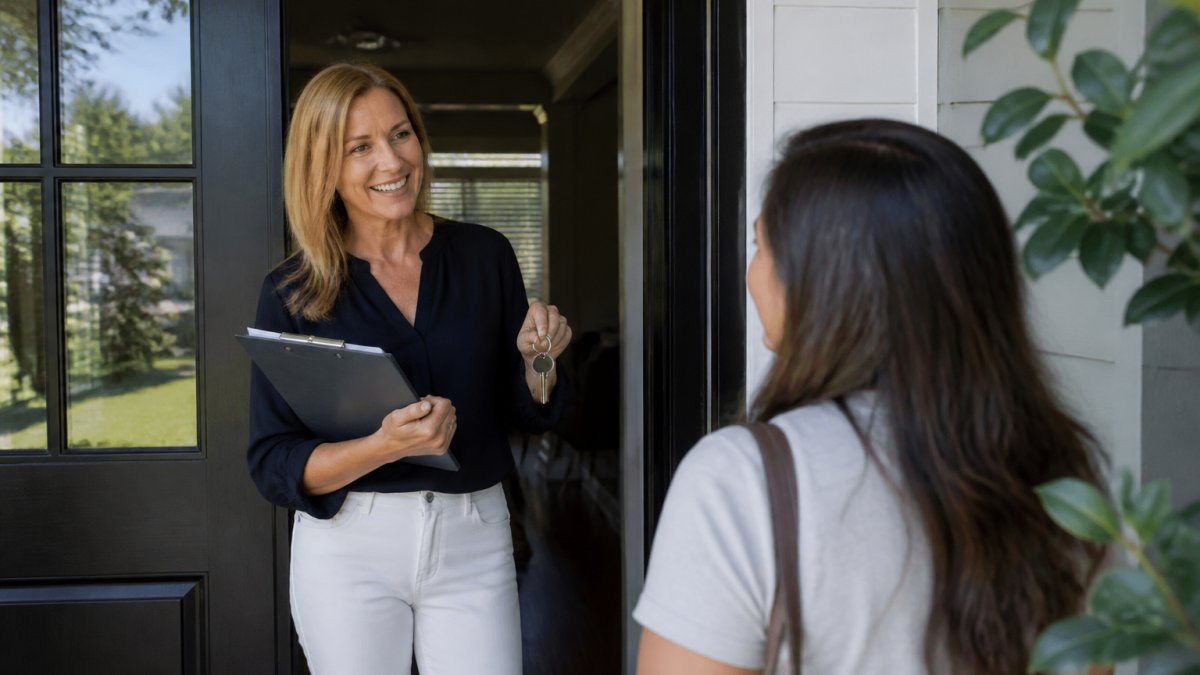
When you sell by owner, you’re inviting strangers into your home, often alone. Practical safeguards:
- Verify identity before a showing. Ask for the buyer’s full name, phone number, and, if they are working with an agent, the agent’s license information. Keep a log of who came through and when.
- Control access. Meet buyers at the door rather than letting them wander unaccompanied. Do not hand over keys or lockbox codes during a showing. If you use a lockbox, choose one that logs access.
- Never show the home alone. Have a second person present, tell someone your schedule, and check in when the showing ends.
A showing is not a courtesy call. Every appointment is an access decision. If an inquiry feels off, reschedule to a public open house or ask a second person to attend.
What a Realistic Marketing and Showing Plan Looks Like
A workable plan answers four questions in writing: which platforms the listing will appear on, who takes the photos, how inquiries will be screened, and who will be present at each showing. Sellers who answer those before listing day get more qualified showings and fewer surprises.
How Long Does It Take to Sell a House by Owner?
How long does it take to sell a house by owner? For most sellers, longer than an agent-assisted sale, because FSBO listings reach fewer buyers and pricing errors add weeks of sitting time.
Time is money in a home sale. Every extra month carries carrying costs, insurance, utilities, and the risk a buyer’s financing falls apart. If the timeline drags, it’s worth knowing how to sell your house fast before the listing goes stale.
FSBO Negotiation Tips for Protecting Your Sale Price
Negotiation is where an unprepared seller gives away the most money, usually without realizing it. These FSBO negotiation tips keep the price where it belongs.
- Get every offer in writing, with contingencies spelled out
- Don’t counter on price alone; trade concessions for something you want
- Know your walk-away number before you sit down
The trap is treating the first offer as the only offer. A buyer who senses urgency will push. A seller with a clear pricing strategy and a firm floor holds the line.
Inspection, Appraisal, and Deal-Fall-Through Risks
The deal isn’t done when you accept an offer. Inspection, appraisal, and financing can each kill it, and FSBO sellers often learn this the hard way. Here are the post-offer failure points in the order they hit.
The Post-Offer Sequence
After you accept an offer, the transaction moves through a predictable sequence. Each step is a gate, and a buyer can exit at most of them.
- Earnest money and contract acceptance. The buyer deposits earnest money and the clock on contingencies starts. Read the contract to see how long each contingency runs and what happens to the deposit if the buyer walks.
- Inspection period. The buyer hires an inspector. The report can surface defects you did not know about, and the buyer may ask you to repair them, credit the cost, or walk. In many contracts, the buyer can cancel for any reason during the inspection period and get the deposit back.
- Appraisal. The lender orders an appraisal. If it comes in below the contract price, the buyer’s financing can collapse unless the buyer covers the gap in cash or you agree to lower the price.
- Financing and underwriting. The lender verifies the buyer’s income, assets, and credit. A loan can be denied late in the process for reasons that have nothing to do with your home.
- Final walkthrough and closing. The buyer confirms the home is in the agreed condition. A dispute here can delay closing or reopen negotiations.
Inspection and Repair Negotiation
A buyer’s inspection isn’t pass-or-fail; it’s a negotiation. The buyer’s agent presents a repair or credit request, and you decide whether to agree, counter, or refuse. Knowing what a home inspection in Summerville covers helps you anticipate red flags and price accordingly.
- Distinguish safety and structural items from cosmetic ones. Buyers have more leverage on items that affect safety, insurability, or lender requirements.
- Decide your repair posture before the inspection. If you plan to sell as-is, say so in the listing and price accordingly. If you plan to negotiate, set a credit ceiling in advance.
- Get repair estimates in writing. A credit backed by a contractor estimate is easier to defend than a round number.
Ask for the inspection report even if the buyer does not share it. A buyer who refuses to share findings may be building a case to renegotiate later.
Appraisal and Financing Failure Points
Appraisal is the other gate. If the lender’s appraisal comes in below the contract price, the buyer’s financing can collapse. The seller’s options are usually to lower the price, split the gap, or let the buyer walk if the appraisal contingency allows it.
Financing failures are less visible but just as real. A pre-approval is not a commitment to lend.
What a Late Deal-Fall-Through Actually Costs
A deal that falls through late costs more than time. You’ve taken the home off the market, possibly missed other buyers, and start over with a listing that now looks shopworn. Defenses: keep backup offers alive, set contingency deadlines you can enforce, and keep marketing until contingencies clear. Sellers who treat the accepted offer as the finish line are most exposed when a gate closes.
Deciding Whether to Sell on Your Own or Hire Representation
FSBO can work for a seller with a simple property, a strong grasp of local pricing, and the time to run the process properly. For everyone else, the risks above tend to outweigh the savings.
Selling by owner saves a listing commission but adds pricing risk, disclosure liability, safety exposure, and negotiation pressure. If you’re weighing the two, see what a Charleston listing agent actually offers. If you lean toward hiring, know the questions to ask when interviewing a listing agent. A real estate agent vs discount broker comparison is also worth reading, since the models differ in what they handle.
At The Mills Team, we’ve watched this decision play out across thousands of transactions, and the sellers who fare best go in with eyes open about the trade-offs.
Frequently Asked Questions
What are the biggest risks of selling a home by owner?
The biggest risks of selling by owner are pricing errors, incomplete disclosures, thin marketing exposure, weak negotiation, and deal-fall-through after inspection or appraisal. Sellers also carry personal safety exposure during showings and take on every piece of paperwork themselves. Each risk compounds the others: an overpriced listing sits longer, attracts fewer buyers, and often ends in a price cut that costs more than the commission saved.
Is selling a house without a real estate agent worth it?
It depends on your time, market knowledge, and tolerance for legal exposure. Selling by owner can work for a seller with a clear buyer in hand, a simple property, and confidence in pricing and disclosures. It rarely works for first-time sellers in a competitive market where accurate valuation and negotiation decide the final number. Compare realistic net proceeds, not just the commission line, before deciding.
What paperwork is needed to sell a house by owner?
Expect a purchase agreement, seller’s disclosure, lead-based paint disclosure for pre-1978 homes, title documents, and closing statements, plus any state or local required forms. FSBO disclosure requirements vary by state, so confirm the exact list with a real estate attorney or title company before you list. Missing a required disclosure can delay closing or create liability after the sale.
How do you price a home when selling it yourself?
Start with recent comparable sales within a close radius, adjusted for square footage, condition, and upgrades. Pull active listings to see your competition and pending sales to see what buyers are actually paying. An agent-prepared valuation adds a check on your own estimate. Overpricing is the most common FSBO mistake because sellers anchor on emotional value rather than market value.
The risks of selling your home by owner are manageable, but only if you plan for them from day one. If you’d rather hand off the pricing, marketing, negotiation, and paperwork to a team that does it every week, The Mills Team brings 69+ years of combined local experience, a 3% listing fee structure, and a 45-day home selling system built to move homes efficiently. Get started with The Mills Team and sell with a plan instead of a gamble.
