

Table of Contents
- Why Local Conditions Shape Your Pre-Sale Repair List
- Safety and Structural Repairs: What Buyers Cannot Overlook
- Water Intrusion and Moisture Control in Charleston Homes
- Home Inspection Checklist for Sellers: What to Address First
- Best Home Improvements for Resale Value in 2026
- Curb Appeal, HOA, and Historic District Compliance
- How to Sell Home with Mortgage and Manage Repair Costs
- Conclusion
- Frequently Asked Questions
Last Updated: September 25, 2026
Why Local Conditions Shape Your Pre-Sale Repair List
If you’re figuring out what to fix before selling a house Charleston 2026, the answer starts with the weather, not the wallpaper. Coastal humidity, salt air, and heavy summer rain do more damage to homes here than in most markets. Buyers and inspectors know it.
At The Mills Team, we’ve walked through hundreds of Lowcountry listings. The homes that sell fast share one trait: sellers fix the problems that scare buyers, not the ones that just look dated.
The 2026 market rewards that discipline. Buyers have more choices than they did a few years ago, so they negotiate harder on inspection findings. A small leak you ignore can cost you far more at the closing table than it would have cost to repair.
Below, we’ll show you exactly what to fix, what to skip, and how to order the work so you don’t waste money.
Safety and Structural Repairs: What Buyers Cannot Overlook
Safety issues kill deals. Lenders won’t fund a home with certain problems, and buyers walk when repairs look expensive.
Start with the big-ticket structural items:
- Foundation cracks wider than a hairline, especially stair-step cracks in brick
- Roof condition, including missing shingles, soft spots, and flashing gaps
- Electrical hazards like double-tapped breakers, missing GFCI outlets, and old wiring
- Plumbing leaks under sinks, at supply lines, and around water heaters
- Wood-destroying organisms, which is a standard concern in this climate
A common mistake is patching cosmetic damage over a structural problem. Inspectors see through it, and it makes buyers wonder what else you hid.
Never paint over or caulk a foundation crack without having it evaluated. If the crack is active, hiding it can turn a repair conversation into a disclosure problem.
Water Intrusion and Moisture Control in Charleston Homes
Moisture is the number one enemy of a home sale here. Buyers ask about water in the first five minutes, and inspectors in this market test for it harder than inspectors almost anywhere else in the country. The reason is the climate: year-round humidity that rarely drops below 70 percent in summer, salt air that corrodes metal fasteners and flashing, and heavy afternoon thunderstorms that dump more rain in an hour than many markets see in a week.
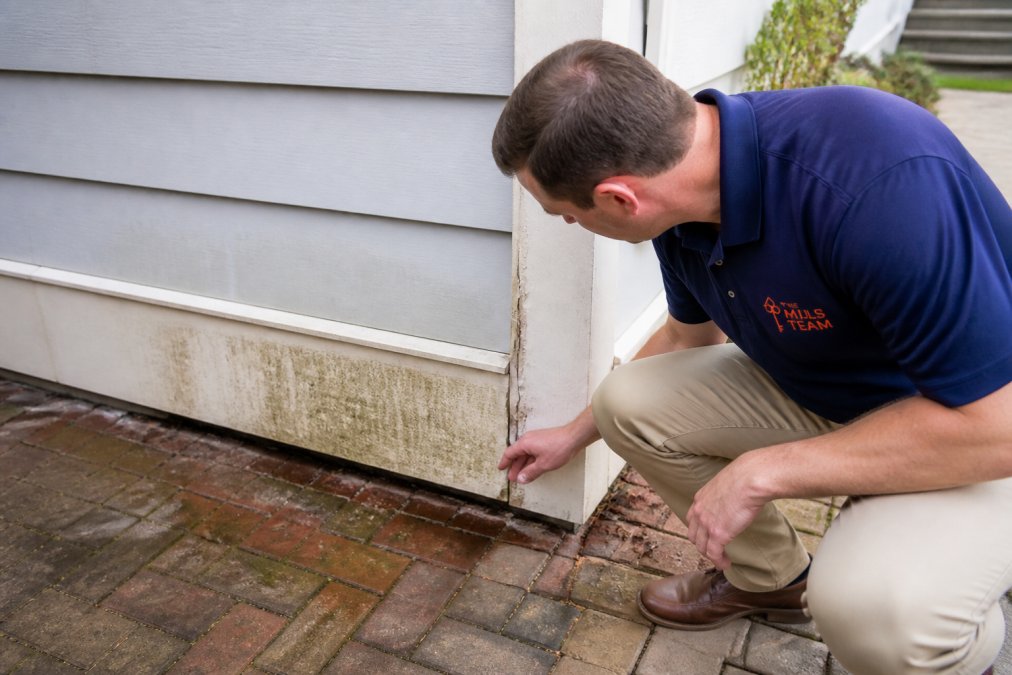
Look for these signs before your inspection does:
- Ceiling staining or bubbling paint, which points to a roof or attic leak
- Musty smells in closets, crawl spaces, or under sinks
- Soft or stained baseboards, a classic sign of water intrusion
- Poor drainage around the foundation after heavy rain
- Rust streaks on door hinges, outlet covers, or HVAC registers, a salt-air tell
- Cupping or buckling in wood floors near exterior doors
Why the Crawl Space Decides the Deal
Most homes in this market sit on raised crawl spaces rather than slabs, and that changes the repair math. A crawl space with a torn or missing vapor barrier pulls ground moisture straight up into the floor system. Over a few seasons you get joist rot, insulation that sags and stops working, and that damp smell buyers notice the moment they walk in.
A working encapsulation or vapor barrier, a dehumidifier, and clear foundation vents are the three things inspectors want to see. If yours are missing or damaged, fixing them is usually far cheaper than the price reduction a buyer will demand once the report comes back.
Flood Zone and Disclosure Reality
Parts of the Tri-County area sit in FEMA-designated flood zones, and that designation follows the house, not the seller. If your property is in a Special Flood Hazard Area, buyers will ask about flood insurance, elevation certificates, and any past flood claims. Under federal law, sellers generally must disclose known flood damage and any federal flood assistance received. Hiding it is not an option, and it is not worth trying.
If you have done mitigation work, say so and document it. A buyer who sees a dry crawl space, a recent dehumidifier, and a clear drainage path treats the home as cared for. A buyer who sees a wet one starts subtracting from the offer before the inspection is even scheduled.
tip
Fix the source, not the stain. Re-caulk windows and doors, clean gutters, extend downspouts away from the foundation, and confirm the crawl space barrier is intact before your first showing.
Home Inspection Checklist for Sellers: What to Address First
A pre-listing inspection is the smartest money you’ll spend. It finds problems while you still control the timeline.
Use this checklist to prioritize:
| Priority | Item | Why It Matters |
|---|---|---|
| 1 | Structural and foundation issues | Lenders may refuse to fund |
| 2 | Roof and water intrusion | Expensive and highly visible |
| 3 | Electrical and plumbing hazards | Safety and insurance concerns |
| 4 | HVAC servicing and filters | Buyers test this on every tour |
| 5 | Cosmetic fixes and paint | Cheap, high visual impact |
The U.S.
Best Home Improvements for Resale Value in 2026
Not every upgrade pays you back, and in 2026 the math has shifted. With mortgage rates still well above the lows buyers got used to a few years ago, monthly payment math drives every offer. A buyer stretching to afford the payment has less room to also fund a renovation, so they discount homes that need work more aggressively than they did during the cheap-money years.
Spend here:
- Fresh coat of paint in neutral tones, inside and out
- Grout repair and caulking in kitchens and baths
- Fixture replacement on dated faucets, lights, and cabinet hardware
- Flooring cleaning or replacement where carpet is worn or stained
- Squeaky doors, sticky windows, and light bulb replacement
- HVAC servicing and a clean filter, because buyers test the system on every tour
- Dehumidifier and vapor barrier upkeep, which reads as proof of moisture control
The 2026 Trade-Off: Repair Credit vs. Doing the Work
A common pattern in this market is sellers asking whether to fix something or offer a credit at closing. The answer depends on the item:
- Safety, structural, and moisture issues: fix them. A credit does not remove the inspection finding, and lenders may still refuse to fund until the work is done.
- Cosmetic and preference items: a credit is often cheaper and faster. Let the buyer pick the paint color and the flooring they want.
- Anything you cannot verify or permit: do not paper over it. Unpermitted work is a disclosure problem, not a value-add.
What Buyers Actually Pay a Premium For
In this market, buyers pay up for a home that feels turnkey: systems that work, no smell, no stains, and no obvious deferred maintenance. They do not pay up for a renovated kitchen that is three years out of style. The boring fixes win because they remove risk, and risk is what buyers are pricing most heavily in 2026.
Replace every burnt-out bulb and tighten every loose handle before photos. Buyers notice small defects in listing images, and they assume the worst about everything they cannot see.
Fix safety and moisture problems. Negotiate the rest. Buyers care most about what will cost them money in the first year.
Curb Appeal, HOA, and Historic District Compliance
Curb appeal decides whether a buyer gets out of the car. Entryway aesthetics, a mowed lawn, and clean siding do more for your sale price than most interior upgrades.
Two local rules can slow you down:
- HOA approval for exterior changes, paint colors, and fencing
- Historic district review for homes in protected areas, which can add weeks to a project
How to Sell Home with Mortgage and Manage Repair Costs
You can sell a home with an active mortgage. The loan gets paid off at closing from the sale proceeds, so you don’t need to pay it off first.
Options to bridge the gap:
- Ask for a repair credit at closing instead of doing the work yourself
- Prioritize fixes that affect financing and safety
- Get contractor quotes early so you can negotiate from facts
Fix safety and moisture problems. Negotiate the rest. Buyers care most about what will cost them money in the first year.
Conclusion
The hardest part of pre-sale repairs is knowing where to stop. Spend too little and buyers walk. Spend too much and you never get it back.
Frequently Asked Questions
What repairs provide the best return on investment for local sellers?
In the Charleston market, addressing water intrusion, roof condition, and HVAC servicing typically returns the most value because buyers and inspectors flag these issues first. Cosmetic updates like a fresh coat of paint and updated cabinet hardware cost less and improve perceived value. Structural integrity and safety compliance matter most for closing, while cosmetic updates help you compete on listing photos. Focus on repairs that prevent negotiation credits rather than upgrades that only suit your taste.
How does the local climate impact necessary home maintenance?
Charleston’s humidity, salt air, and heavy summer storms accelerate moisture barrier wear, wood-destroying organisms, and ceiling staining from roof leaks. Homes need caulking, grout repair, and exterior paint more often than in drier markets. Deferred maintenance shows up fast in inspections here, so sellers should check for foundation cracks, plumbing leaks, and water intrusion before listing. A pre-listing inspection helps you find climate-driven damage before a buyer’s inspector does.
Are cosmetic updates more important than structural repairs?
No. Structural repairs and safety compliance come first because lenders and appraisers will not clear a loan on a home with unresolved foundation cracks or electrical hazards. Cosmetic updates like fresh paint, light bulb replacement, and entryway aesthetics improve market readiness and photos, but they cannot compensate for a failed inspection. Fix the structural and water intrusion issues, then use cosmetic work to lift curb appeal and property valuation.
How can I prepare my home for a 2026 market shift?
Start with a pre-listing inspection and a home inspection checklist for sellers so you know every defect before buyers do. Address roof condition, HVAC servicing, and plumbing leaks early. Declutter and stage for market readiness, and confirm HOA or historic district compliance before you list. Sellers who handle deferred maintenance and disclosure requirements up front avoid renegotiation and keep their asking price intact when inventory rises.