

Table of Contents
- What the Typical VA Loan Closing Timeline Looks Like in Charleston
- The VA Loan Process Step-by-Step
- Factors That Affect How Fast a VA Loan Closes
- The VA Loan Appraisal Process Timeline in Charleston
- VA Loan Closing Checklist for Veterans
- How to Speed Up VA Loan Approval
- Charleston-Specific Closing Bottlenecks and How to Plan for Them
- VA Loan vs. Conventional Loan Closing Speed
- Conclusion
- Frequently Asked Questions
Last Updated: September 12, 2026
What the Typical VA Loan Closing Timeline Looks Like in Charleston
A VA loan closing in Charleston typically takes 30 to 45 days from accepted offer to keys in hand, though the realistic window often stretches to 45 to 60 days once appraisal scheduling and underwriting conditions are factored in. The VA loan closing timeline in Charleston SC runs longer than many buyers expect because two tracks move at once: the lender’s underwriting and the VA’s own appraisal and eligibility steps.
This guide from The Mills Team breaks down each stage, the local bottlenecks, and what veterans can do to stay on schedule. Here’s the short version:
- Days 1-3: Purchase contract signed, earnest money deposited, loan application submitted
- Days 3-10: Lender orders the VA appraisal and title search
- Days 10-21: Appraisal completed; underwriting reviews income, assets, and credit
- Days 21-35: Conditions cleared, “clear to close” issued
- Days 35-45: Closing disclosure delivered, final walkthrough, signing
The 30-day figure assumes nothing goes wrong. In practice, appraisal turnaround and underwriting conditions decide whether you close in a month or six weeks.
The VA Loan Process Step-by-Step
The VA loan process moves through six stages, each with its own clock. Knowing what triggers the next step is how you avoid dead time.
- Get pre-approved, not just pre-qualified. A pre-approval means the lender has verified your income, assets, and credit. Sellers in a competitive market treat pre-approval as the real signal that a buyer can close.
- Obtain your Certificate of Eligibility (COE). Your lender can pull this electronically through the VA’s system, usually within a day. Without it, nothing else moves.
- Sign the purchase contract. This starts the clock. Your earnest money goes into escrow, and your lender orders the appraisal and title work.
- Complete the VA appraisal. A VA-approved appraiser inspects the home and issues a value opinion. This is the stage most likely to add days.
- Clear underwriting. An underwriter reviews your file against VA and lender guidelines, then issues conditions. You satisfy them, and the file moves to “clear to close.”
- Sign and fund. You receive the closing disclosure, do a final walkthrough, and sign. The loan funds and the deed records.
A common mistake is treating pre-approval as a formality and shopping before it’s done. In a fast market, that delay costs you the house.
Factors That Affect How Fast a VA Loan Closes
Several variables decide whether your VA loan closing lands at 30 days or drags past 45. The biggest ones aren’t about your creditworthiness; they’re about the property and the paperwork.
- Appraisal scheduling and repair requirements. If the appraiser flags safety or structural issues, the seller has to fix them before the VA will insure the loan. That alone can add one to three weeks.
- Title issues. A clouded title, an unreleased lien, or a survey discrepancy stalls closing regardless of how clean your file is.
- Underwriting conditions. Missing bank statements, unexplained deposits, or a job change mid-process all generate conditions that reset the clock.
- Seller responsiveness. A seller who’s slow to return the repair addendum or provide HOA documents delays everyone.
- Loan type nuances. VA loans on condos require the project to be VA-approved, which adds a verification step that conventional loans skip.
The single most common cause of a blown closing date is an unexplained large deposit in your bank account. Lenders must source every deposit over a certain threshold, and if you can’t document it, underwriting stalls. Keep gift letters and sale proceeds paperwork ready before you apply.
The VA Loan Appraisal Process Timeline in Charleston
The VA appraisal process timeline usually runs 10 to 21 days from order to report, but Charleston’s market can push that longer in peak season. The VA assigns the appraisal through its own fee panel rather than letting the lender pick an appraiser, adding a coordination step conventional loans skip.
Here’s how it typically unfolds:
- Day 1-3: Lender orders the appraisal through the VA portal
- Day 3-7: VA assigns a licensed appraiser from its panel
- Day 7-14: Appraiser inspects the property and researches comparables
- Day 14-21: Report delivered to the lender and VA
If the appraisal comes in below the purchase price, you can renegotiate, bring cash to cover the gap, or walk away if your contract allows. A below-value appraisal isn’t a dead deal, but it is a delay.
What most guides miss: the VA appraisal is also a condition report. The appraiser checks safety and soundness, and any required repairs must be completed and re-inspected before closing.
VA Loan Closing Checklist for Veterans
A checklist keeps the back half of the process from slipping. Most final-two-week delays come from documents that should have been gathered weeks earlier.
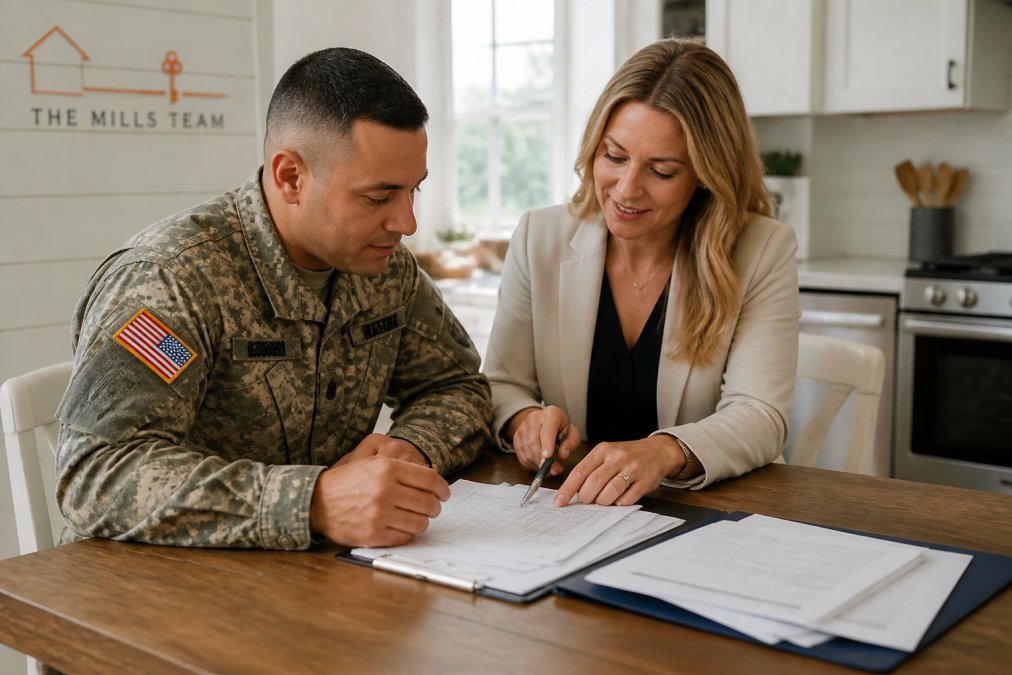
- Certificate of Eligibility on file with the lender
- Purchase contract signed and earnest money receipted
- Loan estimate reviewed and acknowledged
- VA appraisal ordered and report received
- Title search completed with no unresolved liens
- Home inspection and termite inspection scheduled and completed
- Property survey ordered if required
- Homeowners insurance binder in place
- All underwriting conditions satisfied and documented
- Clear to close issued by the lender
- Closing disclosure received at least three business days before signing
- Final walkthrough completed
- Cashier’s check or wire arranged for closing costs and any down payment
The three-business-day rule on the closing disclosure is federal, not optional. If anything changes the terms after you receive it, the clock restarts.
How to Speed Up VA Loan Approval
Speeding up VA loan approval comes down to removing friction before it appears. The fastest closings come from borrowers who hand over complete files.
- Submit a full document package up front. Pay stubs, W-2s, tax returns, bank statements, and proof of any VA disability income, all at once.
- Lock your rate early. An interest rate lock removes one more decision from the critical path.
- Respond to conditions within 24 hours. Every day you sit on a document request is a day added to closing.
- Avoid new credit during the process. A new car loan or credit card can change your debt-to-income ratio and force a re-underwrite.
- Choose a lender who knows VA loans. A lender unfamiliar with VA guidelines will generate unnecessary conditions and slow everything down.
Ask your lender on day one whether they use a VA-experienced underwriter and how many VA loans they close per month. A lender who handles a handful a year will cost you days that a specialist won’t.
Charleston-Specific Closing Bottlenecks and How to Plan for Them
National VA guides stop at “appraisals can take a while.” That’s useless when you’re under contract on a West Ashley bungalow in April and your rate lock is ticking. The Tri-County market has its own rhythm, and buyers who close on time plan around it before signing.
Appraiser coverage thins out as you move from the urban core. Panel appraisers cluster where the volume is. A peninsula or Mount Pleasant property is easy to schedule; one out toward Awendaw, McClellanville, or rural Berkeley County can sit for days waiting on an appraiser willing to make the drive. If you’re buying outside the core, add a week and ask your lender about turn times in that ZIP code.
Title and recording friction is county-by-county. Charleston, Berkeley, and Dorchester counties each run their own recording offices with their own backlogs. End-of-month closings cluster hard, and when a dozen files hit the same desk, a same-day deed can slip to the next business day, which matters if your rate lock expires on the last day of the month. Ask your closing attorney (South Carolina is an attorney-closing state) how they handle month-end volume.
Flood and elevation documentation adds a step most buyers don’t see coming. Many Lowcountry properties sit in or near a special flood hazard area. Lenders require flood certification, and in higher-risk zones an elevation certificate may be needed to price flood insurance correctly. Ordering one can take one to two weeks if none exists on file. Near tidal water, marsh frontage, or a creek, treat this as a known line item.
HOA and condo document turnaround is the quiet killer. For a VA loan on a condo, the project generally must be on the VA’s approved list (or qualify through a lender’s condo approval process). The HOA must produce current budget, reserve, and insurance documents, and some take a week or more. A slow HOA stalls the lender’s review even when your file is spotless. Request those documents the day the contract is ratified.
Peak season compresses everything. Spring and summer bring the most listings, buyers, appraisals, title files, and HOA requests at once. A timeline that works in January can run a week longer in May. Build that buffer into your contract’s closing date rather than hoping vendors absorb it.
Ask three questions before you sign: How far is the property from the nearest panel appraiser’s typical coverage area? Which county records the deed, and how does the closing attorney handle month-end volume? Does the property need flood certification or an elevation certificate? The answers tell you whether you’re looking at a 35-day close or a 50-day one.
VA Loan vs. Conventional Loan Closing Speed
Ask a seller’s agent whether they’d rather see a VA offer or a conventional one, and you’ll often hear “conventional, because VA takes longer.” That reputation is mostly outdated. Understanding where the gap actually comes from is how you neutralize it.
The real-world difference is smaller than the myth. A well-prepared VA loan typically closes within a few days of a comparable conventional loan, not weeks behind. The old 45-to-60-day horror stories trace back to when the VA ran appraisal and underwriting in-house. Today the VA delegates most of that work to lenders through its Lender Appraisal Processing Program and automatic authority programs, so the VA loan timeline is largely set by your lender’s speed, the same variable that governs a conventional loan.
Where the gap genuinely comes from. Two structural differences remain:
- The appraisal. The VA assigns the appraisal through its own fee panel rather than letting the lender hand-pick an appraiser. That assignment step adds a day or two of coordination, and panel appraisers in thinner markets can take longer to schedule. A conventional appraisal is ordered directly from an appraisal management company the lender already has a relationship with.
- Property condition requirements. The VA appraisal doubles as a condition report. Safety and soundness issues, peeling paint, a missing handrail, exposed wiring, a roof at the end of its life, must be corrected and, in some cases, re-inspected before the loan can close. A conventional loan may not require those repairs at all. This is the single biggest source of VA-specific delay, and it’s a property problem, not a borrower problem.
Where VA loans are actually faster or cheaper. No down payment requirement and no private mortgage insurance mean less to document and less to fund at closing. For a buyer with entitlement, cash-to-close is often dramatically lower than a conventional loan at the same purchase price, with no PMI underwriting step to clear.
| Factor | VA Loan | Conventional Loan |
|---|---|---|
| Typical closing window | 30-45 days | 21-40 days |
| Appraisal ordering | VA panel assignment | Lender-selected AMC |
| Property condition rules | Safety and soundness required | Lender-specific, often looser |
| Down payment | Often zero | Typically required |
| Mortgage insurance | None | PMI applies below 20% down |
| Funding fee | Applies in most cases | None |
How to close the speed gap. The repair requirement is the lever you can pull. Before offering on a home that needs work, walk it with your agent and look for items a VA appraiser will flag. If the seller won’t agree to repairs, you’ve learned that before you’re under contract. On the appraisal side, choose a lender whose panel appraisers cover the property’s area, and ask how long their VA appraisals have been taking there.
The honest summary: a VA loan isn’t inherently slow. It’s slower when the property has condition problems or the appraisal must travel to a thin market. Fix those two variables and the timelines converge.
If a seller’s agent pushes back on your VA offer citing speed, offer to include a strong appraisal contingency timeline and a pre-approval letter from a lender who closes VA loans regularly. Specifics beat the stereotype.
Conclusion
The VA loan closing timeline in Charleston rewards preparation more than speed. Buyers who gather documents early, work with a VA-savvy lender, and plan around local appraisal and title bottlenecks consistently close faster than those who treat the process as passive.
The Mills Team has guided military and veteran families through Charleston-area purchases, with Certified Residential Specialists on staff. We handle the local logistics, from appraisal scheduling to title coordination, so your closing stays on track.
Get started with The Mills Team and move into your Charleston home with a closing process that runs on schedule, not on hope.
Frequently Asked Questions
What is the typical closing timeline for a VA loan in Charleston?
Most VA loans close in 30 to 45 days, though Charleston’s busy spring and summer market can push that toward 45 to 60 days. The timeline depends on how quickly your appraisal is scheduled, how fast underwriting reviews your file, and whether any repair issues come up. Getting pre-approved before you shop and having your documents ready can keep you closer to the 30-day mark.
Can a VA loan close in 30 days?
Yes, a 30-day VA loan closing is possible when everything moves smoothly. You need a pre-approval in hand, a clean appraisal with no repair requirements, and a responsive lender. Active-duty buyers relocating on orders often need this speed. Working with an agent who knows the local VA process helps you avoid the small delays that push a closing past 30 days.
How does the VA appraisal affect closing times?
The VA appraisal is often the longest single step. Scheduling the appraiser, completing the inspection, and receiving the report can take one to three weeks. If the appraiser requires repairs before the loan can close, that adds more time. In Charleston, older homes and flood-zone properties sometimes need extra documentation, so building a buffer into your timeline is wise.
What documents are required to speed up a VA loan closing?
Gather your Certificate of Eligibility, proof of income, tax returns, bank statements, and a copy of your purchase contract as early as possible. Having these ready before you make an offer lets your lender start underwriting sooner. Missing documents are one of the most common reasons a VA loan closing slows down, so keep everything organized and respond to lender requests the same day.